
The charm of vintage aesthetics continues to captivate homeowners who crave character, nostalgia, and timeless elegance in their interiors. Yet incorporating vintage prints into contemporary spaces requires more than simply hanging old-fashioned artwork on your walls. The secret lies in reimagining these historical pieces through a modern lens, creating a bridge between past and present that feels both curated and authentic.
Vintage print decor combines the warmth of yesteryear with today’s design sensibilities, offering a sophisticated alternative to mass-produced contemporary art. By thoughtfully selecting and styling vintage prints, you can create layered, personalised interiors that tell a story while remaining fresh and relevant. This comprehensive guide reveals how to source, style, and integrate vintage prints into modern Australian homes, transforming your spaces with artworks that possess genuine soul and enduring appeal.
Understanding Vintage Prints: Beyond Simple Nostalgia
Vintage prints encompass a remarkable range of styles, from Victorian botanical illustrations to mid-century advertising posters, each carrying distinct visual characteristics. The term “vintage” typically refers to artwork created between 1920 and 1980, though some collectors extend this definition. Understanding these historical periods helps you make informed choices about which styles complement your existing decor.
Art Deco prints from the 1920s and 1930s feature geometric patterns and bold colours that surprisingly harmonise with contemporary interiors. Similarly, mid-century modern prints from the 1950s and 1960s often showcase minimalist sensibilities that align perfectly with today’s design trends. Meanwhile, psychedelic 1970s artwork introduces vibrant energy to neutral spaces.
The appeal of vintage prints extends beyond aesthetics. These pieces offer authenticity and craftsmanship often absent in mass-produced contemporary art. Furthermore, they provide conversation starters and cultural connections that resonate with homeowners seeking meaningful decor. When selecting vintage prints, consider how the era’s design philosophy aligns with your personal style and existing furnishings.
Identifying Genuine Quality in Vintage Artwork
Quality vintage prints display certain characteristics that distinguish them from reproduction pieces. Look for printing techniques specific to the era, such as lithography, screenprinting, or letterpress methods. Additionally, examine paper quality—genuine vintage prints often feature heavier stock with natural ageing that adds character rather than diminishing value.
Provenance matters significantly when assessing vintage prints. Documentation regarding the print’s origin, artist, and printing date enhances both value and authenticity. However, even unsigned pieces can prove valuable if they demonstrate exceptional artistry and condition appropriate to their age.
Sourcing Authentic Vintage Prints That Actually Work

Finding vintage prints that genuinely enhance modern interiors requires strategic sourcing. Australian antique markets, estate sales, and vintage shops offer treasure troves of original prints, though patience and discernment prove essential. Online marketplaces expand your options considerably, connecting you with international sellers and rare pieces.
When shopping online, request detailed photographs showing the print’s condition, including any foxing, tears, or discolouration. Moreover, verify seller credentials and return policies before committing to significant purchases. Reputable vintage print dealers provide certificates of authenticity and detailed provenance information.
Local auction houses occasionally feature vintage print collections, offering opportunities to acquire museum-quality pieces at competitive prices. Additionally, specialised print galleries curate selections that bridge vintage aesthetics with contemporary tastes. These venues often provide expert guidance on selecting pieces that complement modern Australian homes. For those seeking to balance vintage elements with contemporary works, art prints collections can offer complementary pieces that create cohesive gallery walls.
Building Relationships with Vintage Print Dealers
Establishing connections with knowledgeable dealers provides access to exceptional pieces before they reach public markets. These relationships also offer educational opportunities, as experienced dealers share insights about historical context, printing techniques, and valuation factors. Consequently, you develop a more refined eye for quality and authenticity over time.
Many dealers specialise in specific periods or styles, making them invaluable resources when searching for particular aesthetics. Whether you’re seeking Australian botanical prints from the colonial era or European travel posters from the 1960s, specialist dealers streamline the sourcing process significantly.
Colour Coordination: Making Vintage Palettes Work in Modern Spaces
Vintage prints frequently feature colour palettes that differ markedly from contemporary schemes. Sepia tones, faded pastels, and muted earth tones characterise many historical prints, creating potential challenges when integrating them into modern interiors. However, these aged colour profiles often provide the perfect antidote to stark contemporary spaces.
The key lies in identifying colour bridges between vintage artwork and existing decor elements. Extract a single accent colour from your vintage print and echo it through cushions, throws, or decorative objects. This technique creates visual continuity without demanding wholesale colour scheme changes. Similarly, understanding how colour transforms rooms helps you leverage vintage prints’ subtle hues for maximum impact.
Neutral contemporary interiors provide ideal backdrops for vintage prints with complex colour palettes. Conversely, vibrant modern spaces benefit from monochromatic or sepia-toned vintage pieces that offer visual respite. The contrast between aged print colours and fresh wall paint creates dynamic tension that enlivens both elements.
Working with Faded and Aged Colour Profiles
Natural ageing processes affect vintage print colours, often creating softened palettes with inherent harmony. Rather than viewing this fading as deterioration, embrace it as patina that adds authenticity and warmth. These mellowed tones integrate seamlessly with contemporary neutral schemes whilst providing subtle visual interest.
For prints with significantly faded colours, strategic placement near complementary textiles or furnishings can enhance their visual impact. Position faded botanical prints alongside fresh greenery to create dialogue between artwork and living elements. This approach celebrates the print’s aged character whilst maintaining visual vibrancy throughout your space.
Framing and Presentation Techniques for Contemporary Impact
Framing choices dramatically influence how vintage prints integrate into modern interiors. Contemporary framing techniques can either honour a print’s historical origins or deliberately contrast with them to create compelling visual tension. Wide white matting paired with slim black frames creates gallery-style presentations that modernise vintage artwork without compromising its character.
Conversely, ornate vintage frames can emphasise historical authenticity whilst adding sculptural interest to minimalist spaces. Gold or carved timber frames introduce warmth and texture that balance contemporary materials like concrete and steel. However, ensure frame ornateness doesn’t overwhelm the artwork itself—the frame should enhance rather than dominate.
Float mounting presents vintage prints with museum-quality sophistication, allowing the paper’s natural edges to remain visible within deep-set frames. This technique celebrates the print’s materiality whilst protecting it behind conservation glass. Additionally, float mounting accommodates irregular paper sizes without requiring trimming that might diminish value. Professional framing techniques ensure your vintage prints receive archival-quality preservation.
Gallery Wall Configurations for Maximum Impact
Gallery walls allow vintage prints to shine through strategic groupings that create unified visual statements. Mix frame styles, sizes, and orientations to generate dynamic compositions that feel curated rather than matched. Maintain consistent matting colours or frame finishes to provide cohesion amidst variety.
When designing gallery walls, arrange prints with similar colour palettes or thematic connections to establish visual flow. Leave adequate spacing between frames—typically 5-8 centimetres—to prevent overcrowding whilst maintaining cohesion. Template planning using paper cutouts helps visualise arrangements before committing to wall holes.
Room-by-Room Styling Strategies

Different rooms demand distinct approaches when incorporating vintage prints. Living areas benefit from larger statement pieces or curated gallery walls that serve as focal points and conversation starters. Botanical prints, landscape scenes, or vintage advertising posters work particularly well in these social spaces, offering visual interest without overwhelming.
Bedrooms accommodate more intimate vintage selections, such as delicate floral prints, romantic landscapes, or serene abstract compositions from earlier decades. These quieter pieces foster relaxation whilst adding personality to private spaces. Position prints at eye level when seated or reclining to maximise viewing pleasure during restful moments.
Kitchen and dining areas suit food-themed vintage prints, including historical recipe illustrations, wine labels, or agricultural scenes. These playful choices enhance the room’s function whilst introducing nostalgic charm. Similarly, dining room art selections create atmospheres conducive to gathering and conversation.
Bathroom and Powder Room Vintage Print Applications
Smaller spaces like bathrooms and powder rooms offer ideal opportunities for vintage print experimentation. Historical anatomical illustrations, vintage perfume advertisements, or botanical prints create sophisticated atmospheres in compact areas. However, ensure proper framing with moisture-resistant materials to protect prints from humidity damage.
Hallways and staircases benefit from vintage print series that guide movement through transitional spaces. Arrange chronological sequences or thematic collections that unfold as viewers progress through the passage. This approach transforms overlooked areas into engaging galleries that enhance your home’s overall narrative.
Mixing Vintage with Modern and Abstract Elements
The most compelling interiors thoughtfully combine vintage and contemporary elements rather than committing exclusively to single periods. Vintage prints gain fresh relevance when juxtaposed with modern furniture, creating layered spaces with depth and character. This eclectic approach reflects how people actually live, accumulating meaningful pieces over time rather than purchasing complete room sets.
Abstract contemporary artwork provides excellent counterpoints to figurative vintage prints. The visual dialogue between representational historical pieces and non-objective modern works creates dynamic tension that energises spaces. Position these contrasting styles on adjacent walls or within the same gallery arrangement to maximise their conversational relationship. Understanding differences between abstract and figurative art helps you balance these elements effectively.
Colour serves as the primary unifying element when mixing periods and styles. Select vintage prints that share accent colours with your contemporary pieces, creating visual threads that connect disparate elements. Alternatively, maintain monochromatic palettes that allow different styles to coexist harmoniously despite their temporal differences.
Balancing Proportions and Visual Weight
When combining vintage and modern pieces, consider each artwork’s visual weight and scale. Large-scale contemporary abstracts command significant attention, requiring careful balance with vintage prints. Group smaller vintage pieces to create collective impact that holds its own against bold modern statements.
Negative space plays crucial roles in mixed-style arrangements. Allow breathing room around each piece to prevent visual competition and enable individual appreciation. This restraint paradoxically creates greater overall impact than crowded arrangements, particularly when working with diverse stylistic elements. For inspiration on coordinating different art styles, explore how abstract art coordinates with furniture to create cohesive interiors.
Preservation and Care for Long-Term Enjoyment
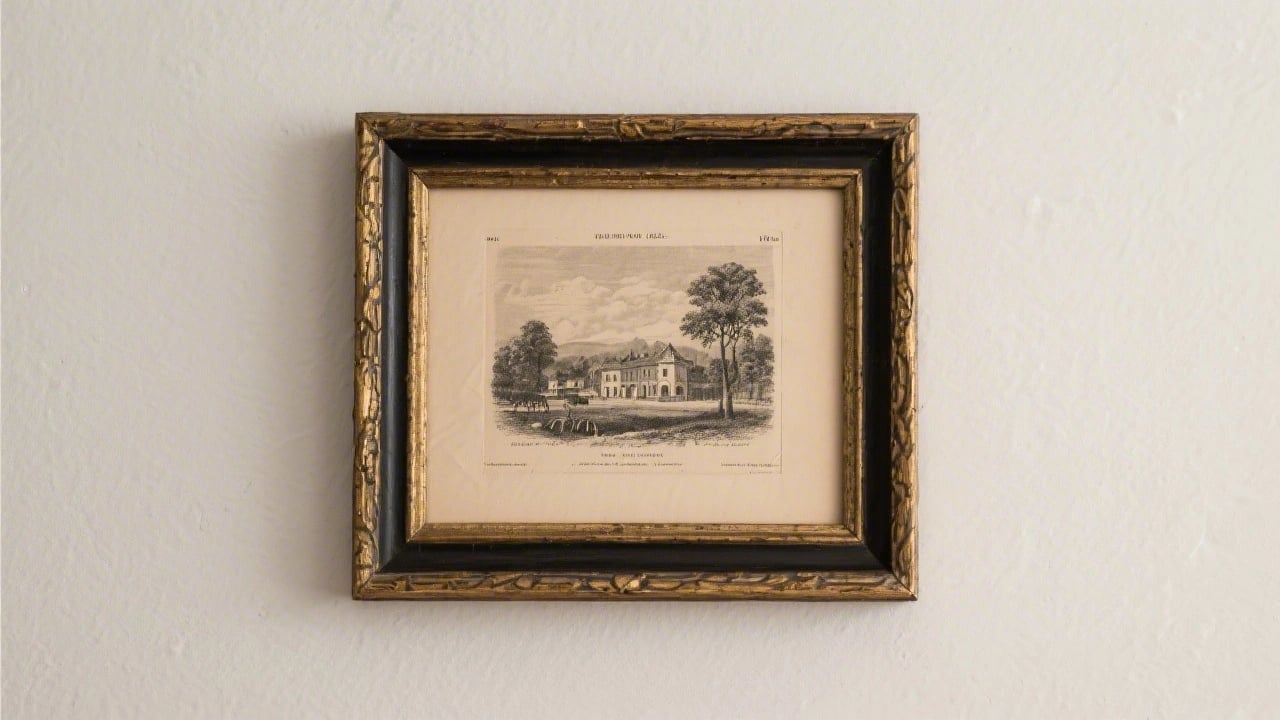
Proper preservation ensures vintage prints remain beautiful for generations. Direct sunlight represents the primary threat to these delicate artworks, causing irreversible fading and paper deterioration. Position prints away from windows or install UV-filtering glass to mitigate light damage whilst maintaining display flexibility.
Climate control significantly impacts vintage print longevity. Excessive humidity encourages mould growth and paper warping, whilst extreme dryness causes brittleness and cracking. Maintain relative humidity between 40-50% and temperatures around 20-22°C for optimal preservation conditions. Avoid hanging prints above radiators or near air conditioning vents that create temperature fluctuations.
Regular maintenance involves gentle dusting of frames and periodic condition assessments. Inspect prints annually for signs of deterioration, including foxing, colour fading, or pest damage. Address issues promptly through professional conservation services rather than attempting DIY repairs that might cause irreparable harm.
Professional Conservation When Necessary
Valuable or severely damaged vintage prints warrant professional conservation attention. Qualified conservators possess specialised knowledge and materials to stabilise deteriorating prints whilst preserving their integrity. Services range from simple cleaning and deacidification to complex repairs involving paper mending and colour restoration.
Establishing relationships with reputable conservators provides peace of mind when acquiring vintage prints requiring attention. Many conservators offer condition assessments that inform purchasing decisions, helping you avoid pieces with issues beyond economical repair. Furthermore, documented conservation work enhances provenance and potentially increases print value over time.
Common Mistakes to Avoid When Decorating with Vintage Prints
Over-theming represents a frequent pitfall when incorporating vintage prints into modern homes. Whilst thematic consistency has merit, excessively literal interpretations create museum-like spaces lacking contemporary relevance. Instead, allow subtle connections between prints to emerge organically rather than forcing obvious thematic relationships.
Ignoring scale proportions undermines even exceptional vintage prints. Small prints disappear on expansive walls, whilst oversized pieces overwhelm intimate spaces. Measure wall dimensions carefully and select appropriately scaled artwork that commands attention without dominating. Generally, artwork should occupy approximately two-thirds to three-quarters of available wall width for balanced visual impact.
Neglecting proper lighting diminishes vintage prints’ visual effectiveness. Adjustable picture lights or strategically positioned track lighting enhance detail visibility whilst creating dramatic focal points. However, ensure lighting fixtures don’t generate excessive heat that might damage delicate prints over time. LED picture lights offer excellent illumination without heat concerns.
Avoiding Reproduction Traps
The vintage print market includes numerous reproductions marketed as original pieces. Whilst quality reproductions serve legitimate decorative purposes, purchasing them at original prices represents poor value. Educate yourself about period-appropriate printing techniques, paper characteristics, and typical pricing to avoid costly mistakes.
When uncertain about authenticity, seek expert opinions before significant purchases. Reputable dealers stand behind their attributions and welcome professional scrutiny. Conversely, sellers resistant to authentication requests likely lack confidence in their merchandise’s genuineness. Trust instincts and walk away from questionable offerings regardless of apparent bargains.
Vintage prints offer unparalleled opportunities to infuse modern Australian homes with character, history, and timeless elegance. By thoughtfully selecting, framing, and positioning these treasured artworks, you create layered interiors that transcend fleeting trends whilst remaining utterly contemporary. The dialogue between past and present enriches your living spaces with depth that purely modern decor rarely achieves. Whether you’re drawn to delicate botanical illustrations, bold mid-century graphics, or romantic landscape scenes, vintage prints provide authentic foundations for personalised interiors that genuinely feel like home. Embrace the imperfections, celebrate the patina, and allow these historical artworks to bring warmth and soul to your contemporary Australian spaces.
 | Joseph Russell Joseph is an Australian abstract artists and curator of the Inomaly art collection. |