
Wall art choices have become declarations of personal values. In March 2025, West Elm partnered with interior design duo Pierce & Ward to launch eco-friendly collections, while Winsor & Newton introduced premium watercolours featuring sustainably sourced pigments the month before. These weren’t isolated moves—the sustainable home décor market, valued at USD 4.5 billion in 2024, is projected to reach USD 9.4 billion by 2034, a 7.9% compound annual growth rate that reflects genuine, sustained demand for eco-friendly art.
The numbers tell part of the story. According to a 2024 Global Home Décor Report, 72% of consumers now prioritise eco-friendly materials when purchasing wall art, whilst 64% willingly pay premium prices for sustainable products. But statistics alone don’t explain why this shift matters. Consumers have connected the dots between manufacturing processes and environmental impact—from toxic chemicals in printing to non-recyclable framing materials. Major brands have responded with real innovation, not greenwashing. Millennials, who became Australia’s dominant homeowning demographic in 2024, grew up with climate change education and deliberately seek art that reflects their values. The result is a fundamental transformation in how we approach creativity and home design.
The Multi-Billion Dollar Shift: Market Growth Driving Sustainable Art
The sustainable home décor market is doubling. Industry projections show growth from USD 4.5 billion in 2024 to USD 9.4 billion by 2034—a trajectory that outpaces traditional home furnishing categories. This expansion reflects a genuine shift in purchasing behaviour, where sustainability has moved from optional consideration to essential requirement for millions of homeowners.
The art and craft materials market demonstrates similar momentum, expected to grow from $24.68 billion in 2026 to $40.68 billion by 2034 at a 6.44% compound annual growth rate. Paint manufacturers are formulating plant-based paints, whilst companies develop colour pencils sourced from sustainable raw materials. The growth comes from actual product innovation: manufacturers recognise that attracting environmentally conscious artists and consumers requires genuine alternatives, not superficial greenwashing.
North America has emerged as the strongest market for eco-friendly home furnishings, and this global momentum creates greater access for Australian consumers to ethically produced art whilst supporting local artists who embrace sustainable practices in Australian abstract art.

Major Brands Leading the Sustainable Revolution
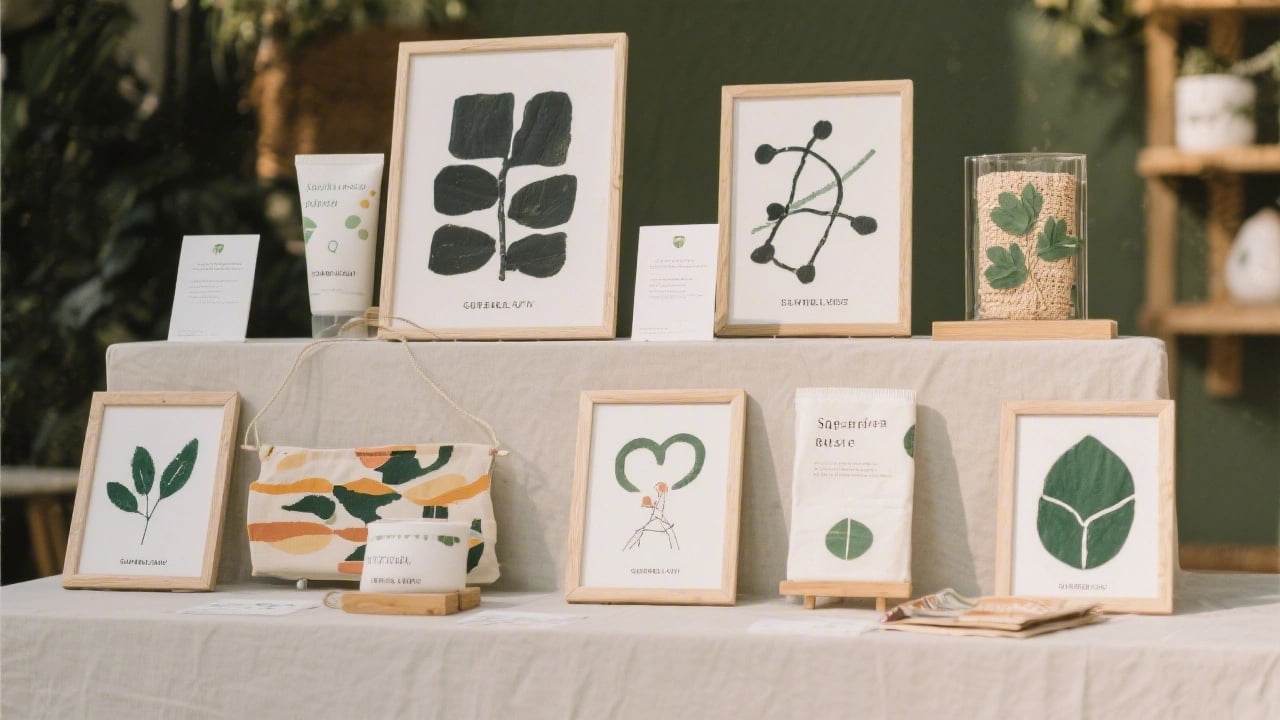
Mainstream retailers have discovered that sustainability sells. West Elm now sources more than 50 percent of its wood furniture with Forest Stewardship Council certification, ensuring materials come from responsibly managed forests. Their March 2025 collaboration with Pierce & Ward brought sustainable design principles to mass-market consumers, proving eco-friendly décor need not sacrifice style or accessibility.
Winsor & Newton’s February 2025 watercolour launch set new standards for premium artist materials. The company introduced watercolours featuring sustainably sourced pigments and eco-friendly packaging, targeting professional artists who demand quality without environmental compromise. This matters because artist-grade materials have historically lagged behind consumer products in adopting sustainable practices.
Crayola LLC expanded its sustainable footprint through a March 2025 partnership with Blick Art Materials, distributing products through independent art stores across the United States. The company is developing plant-based colour pencils and biodegradable options whilst maintaining the performance standards professional and amateur artists expect.
The Fair Trade Connection
The Citizenry takes a different approach by partnering with artisans worldwide to create 100% Fair Trade certified home goods designed for generational longevity. Their model challenges fast furniture trends by emphasising investment-quality pieces that reduce consumption through durability. Sustainability extends beyond materials to encompass ethical labour practices and long-term value.


Consumer Demand: Why Buyers Choose Eco-Friendly Art
Consumer research reveals why people are making this shift. A 2024 survey found that 52% of Americans consider sustainability somewhat or very important when making purchasing decisions, whilst 64% willingly pay premium prices for eco-friendly products. The 2024 Global Home Décor Report goes further: 72% of consumers prioritise eco-friendly materials specifically when purchasing wall art. Consumers research production methods before committing to purchases, rewarding transparency and questioning vague sustainability claims.
Generational factors amplify these trends. Millennials, who comprised the largest homeownership demographic in 2024, demonstrated particular enthusiasm for redecorating—more than three-quarters undertook home refreshes during the year. This cohort grew up with climate change education and gravitates toward brands demonstrating genuine environmental commitment. Wall art choices reflect personal values as much as aesthetic preferences, making sustainable options particularly appealing for transforming living spaces with intentional design choices.
The Plastic Pollution Connection
Environmental awareness extends beyond climate concerns to encompass broader ecological issues. A 2024 World Wildlife Foundation survey found that 85% of Americans consider plastic waste pollution a serious problem requiring immediate action. This consciousness influences art purchasing decisions, with consumers scrutinising packaging materials, shipping methods and frame construction for plastic components that could contribute to pollution.

Innovative Organizations Creating Environmental Impact
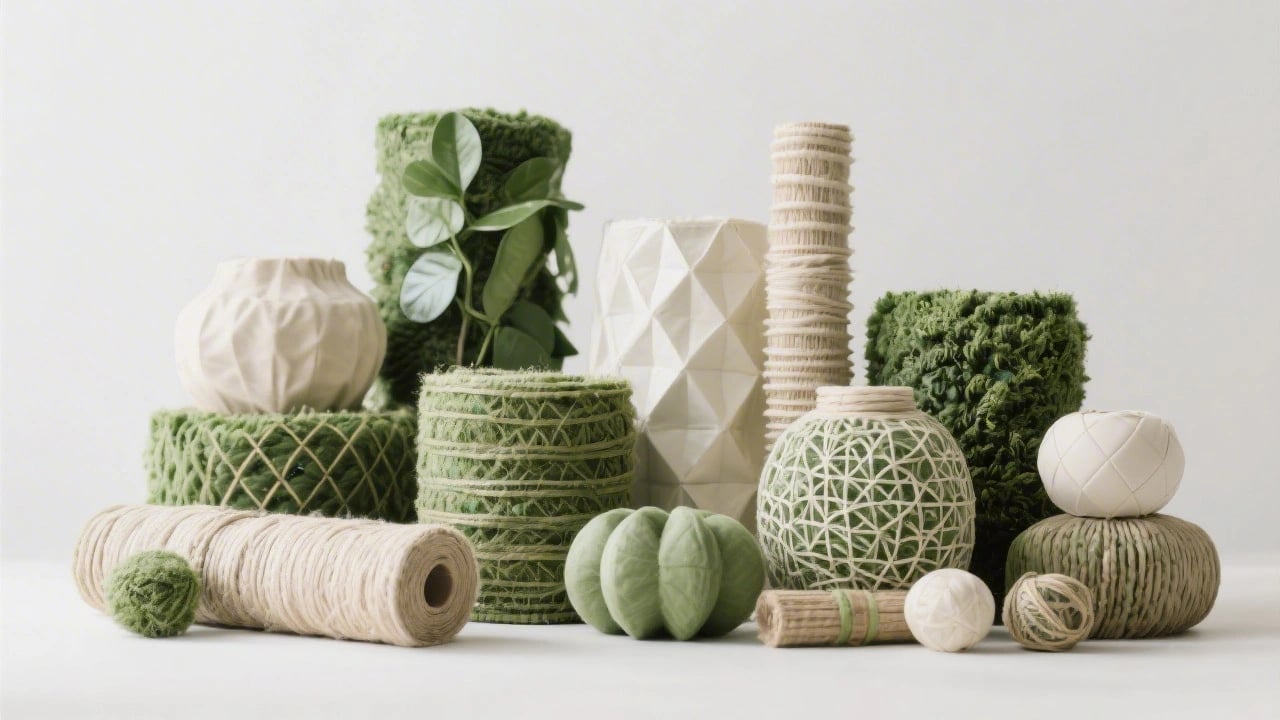
The Center for Sustainable Practice in the Arts operates as a research organisation positioning arts and culture as drivers of sustainable society. Since 2022, they’ve hosted the Creative Green Tools Canada platform, and their 2024-2025 Report on Creative Green Tools Canada provides carbon tracking infrastructure for arts sector organisations. This matters because it quantifies the arts sector’s carbon footprint whilst identifying reduction opportunities. Galleries, studios and individual artists can use standardised measurement tools to make data-driven decisions about materials, shipping and exhibition practices. Australian artists and collectors benefit from these international standards when evaluating sustainability claims.
Ocean Sole: Transforming Waste Into Art
Ocean Sole, a Kenya-based social enterprise, collects discarded flip-flops from beaches and transforms them into vibrant sculptures with local communities. The organisation produces up to 15 small sculptures daily, providing employment whilst removing pollution from coastal ecosystems. Their 2024 endangered species sculptures raise conservation awareness, connecting environmental protection with artistic expression in tangible ways that resonate with coastal and beach-inspired wall art enthusiasts.
AI Meets Environmental Art
Contemporary artist Refik Anadol represents the intersection of cutting-edge technology and environmental advocacy. His 2024 exhibition “Large Nature Model: Coral” at United Nations headquarters harnessed artificial intelligence to create immersive narratives about coral reef conservation. By showcasing environmental issues at the highest institutional levels, Anadol demonstrates how technology can amplify sustainability messages whilst creating visual experiences that transcend traditional artistic mediums.


Technology and Materials Innovation
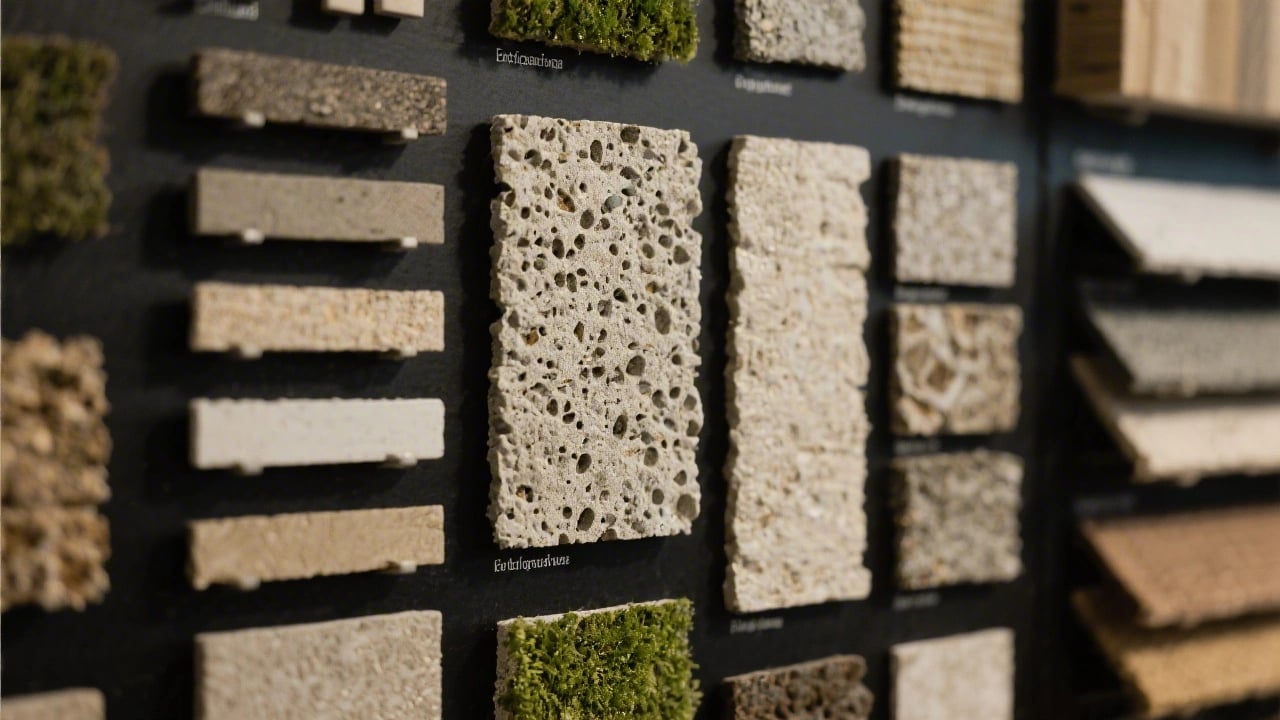
Paint manufacturers now experiment with algae-based binders that replace petroleum-derived ingredients whilst maintaining colour vibrancy and durability. Brush manufacturers have developed products featuring natural-hair bristles, bamboo handles and biodegradable ferrules—the metal bands securing bristles to handles. Bamboo grows rapidly without pesticides or extensive irrigation, performing as well or better than conventional materials whilst supporting renewable cultivation.
Giclée printing technologies now use water-based, non-toxic inks on recycled or sustainably sourced papers, enabling high-quality art prints without environmental compromise. Frame manufacturers contribute through recycled aluminium options and FSC-certified timber, ensuring every component meets sustainability standards. Those interested in deeper exploration of various artistic approaches might appreciate insights into lyrical abstraction and its contemporary applications.
Sustainable Packaging and Shipping
Forward-thinking companies now use recycled cardboard, biodegradable corner protectors and paper tape instead of plastic alternatives. Shipping methods matter too, with carbon-neutral delivery options becoming standard rather than premium add-ons. These comprehensive approaches address the full lifecycle of art products, from creation through customer delivery.
Bringing Sustainable Art Into Your Home
When selecting wall art, prioritise materials first. Look for prints on recycled or FSC-certified papers, frames constructed from reclaimed wood or recycled metals, and non-toxic inks. Most artists and suppliers now provide transparency about sourcing and manufacturing.
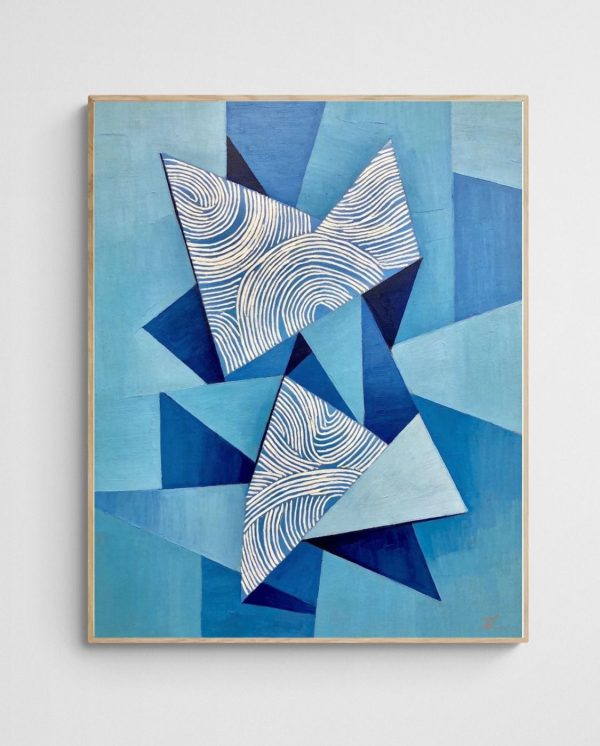
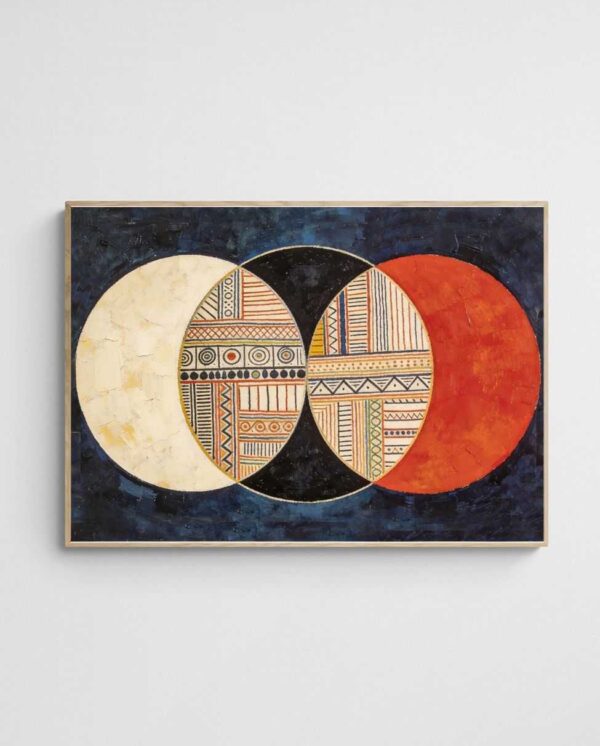
Geometric abstract pieces exemplify sustainable design principles through their emphasis on essential forms and minimal waste. Works like “Mediterranean Origami – Blue Geometric Abstract Wall Art Print” demonstrate how clean lines create visual impact without excessive materials. “Circles or Civilisation 1 – Mid Century Geometric Abstract Circle Art Print” showcases how timeless designs transcend trends, reducing the temptation for frequent replacements.
Support for local artists reduces transportation emissions whilst strengthening community creative economies. Australian artists increasingly embrace sustainable practices, from innovative painters redefining contemporary abstraction to printmakers utilising eco-friendly techniques. Purchasing locally produced art minimises shipping distances and provides direct artist support.
Longevity and Versatility
The most sustainable choice involves selecting artwork you’ll cherish long-term. Timeless designs in neutral palettes adapt to evolving décor styles without requiring replacement. Pieces that work across multiple rooms offer flexibility as households change. This slow design approach—prioritising quality and emotional connection over trends—challenges disposable consumption patterns. Learning effective display techniques for abstract paintings ensures pieces integrate seamlessly into various spaces. Exploring how colour transforms room atmospheres helps select pieces that fulfil emotional and functional needs. Works incorporating natural tones or inspired by coastal landscapes bring organic elements indoors, connecting interior spaces with the environmental awareness that motivated sustainable purchasing.
Start by auditing your current art and décor. Identify pieces you genuinely love and those you’ve simply tolerated. When replacing or adding new work, apply these three criteria: Is it made from sustainable materials? Will it work in your space five years from now? Does it come from a maker whose practices align with your values? The sustainable art revolution has made these choices accessible and affordable. You’re no longer choosing between aesthetics and environmental responsibility—you’re choosing both.
 | Joseph Russell Joseph is an Australian abstract artists and curator of the Inomaly art collection. |