
Transforming your office environment with strategic art choices can fundamentally alter how your team performs and feels throughout the workday. Whether you’re managing a bustling corporate headquarters, a boutique creative studio, or a home office, understanding current art trends that genuinely impact productivity offers a competitive edge in creating spaces where people thrive. The intersection of aesthetic appeal and functional design has never been more relevant as workplaces evolve to meet the demands of modern work culture, mental wellbeing, and collaborative innovation.
The most effective office art trends for boosting productivity centre on three core principles: incorporating geometric patterns that enhance focus, using colour psychology strategically to influence mood and energy levels, and selecting minimalist compositions that reduce visual clutter while maintaining visual interest. Research consistently shows that thoughtfully chosen abstract art can reduce workplace stress by up to 32%, increase creative problem-solving capacity, and improve overall job satisfaction. The key lies in understanding which artistic styles, colour palettes, and compositional approaches align with your specific office function and the cognitive demands placed on your team members.
Understanding Office Art and Productivity
Before diving into specific trends, it’s essential to understand the foundational relationship between visual environments and cognitive performance. Office spaces function as more than mere containers for desks and computers—they serve as psychological landscapes that either support or hinder mental processes. Abstract art, in particular, engages the brain differently than representational imagery, activating neural pathways associated with interpretation, creativity, and emotional processing.
The modern workplace demands flexibility in thinking, rapid problem-solving, and sustained concentration across varied tasks. Traditional office aesthetics often defaulted to sterile neutrality or generic landscape photography, neither of which provides meaningful cognitive stimulation. Contemporary research from environmental psychology demonstrates that workplaces incorporating thoughtful abstract art see measurable improvements in employee retention, reduced sick leave, and enhanced collaborative outcomes. This connection between visual environment and workplace performance has driven organisations worldwide to reconsider their approach to office decoration.
When selecting art for productivity enhancement, consider three fundamental questions: What cognitive states does your team need to access regularly? What emotional tone supports your organisation’s culture? What level of visual stimulation promotes rather than distracts from focused work? The answers to these questions will guide your selection from current art trends, ensuring your choices serve functional purposes beyond mere decoration. Additionally, understanding the distinction between abstract and figurative art helps clarify why abstract works often prove more versatile in professional settings.
The Geometric Abstract Trend
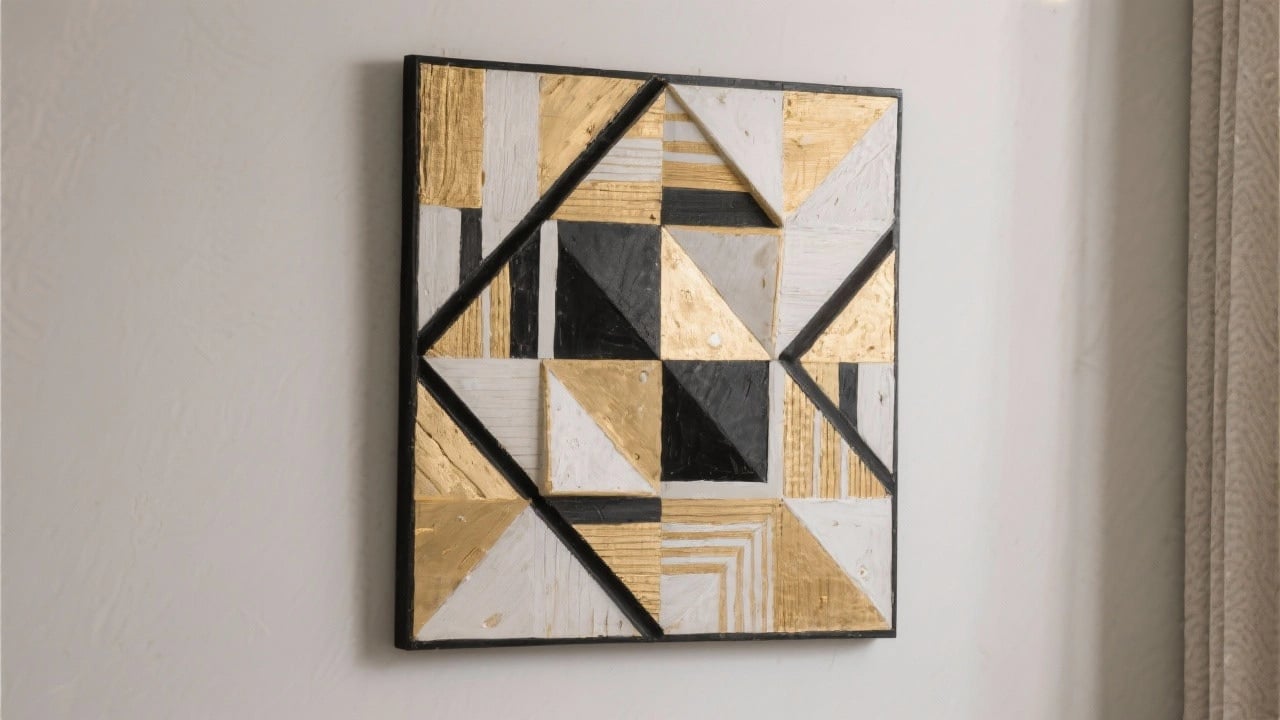
Geometric abstraction has emerged as the dominant trend in productivity-focused office environments, and for compelling neurological reasons. The human brain naturally seeks patterns and order, finding satisfaction in symmetry, repetition, and structured composition. Geometric abstract art provides this organisational quality while avoiding the literal interpretation demands of figurative work, allowing the mind to remain task-focused while benefitting from peripheral visual interest.
These compositions typically feature clean lines, defined shapes, and clear spatial relationships that mirror the logical thinking processes required in most professional contexts. Unlike organic abstractions that may evoke emotional responses, geometric works tend to promote analytical thinking, systematic problem-solving, and attention to detail. This makes them particularly suitable for offices where precision, accuracy, and methodical approaches form the foundation of daily work. Financial institutions, technology companies, architectural firms, and legal practices frequently gravitate toward geometric abstractions for precisely these reasons.
The “Missing Pieces 6” exemplifies how geometric compositions can create visual interest without overwhelming the senses, featuring interlocking shapes that suggest problem-solving and completion—a subtle psychological reinforcement of task accomplishment. Similarly, the “Geometric Abstract Print – Missing Pieces 8” demonstrates how angular forms and defined boundaries can establish a sense of order that translates into mental clarity for viewers.

Implementing geometric abstract art requires consideration of scale and placement. Larger geometric works function effectively in reception areas and conference rooms where they establish immediate visual impact and professional credibility. Medium-sized pieces work well in individual offices and collaborative spaces, providing focal points that support concentration without dominating the environment. Meanwhile, smaller geometric prints can be clustered in gallery walls throughout corridors and break rooms, creating visual continuity that reinforces organisational identity.
Selecting Geometric Prints for Different Departments
Not all geometric abstractions serve identical purposes, and thoughtful curation matches artistic styles with departmental functions. Accounting and finance teams benefit from highly structured, symmetrical compositions that reinforce precision and attention to detail. Creative departments might prefer more playful geometric arrangements that maintain structure while introducing unexpected colour relationships or asymmetrical balance. Technical teams often respond well to grid-based compositions or works featuring mathematical progressions that resonate with their analytical mindsets.
Colour temperature within geometric works also matters significantly. Cool-toned geometric abstractions featuring blues, greys, and whites promote calm focus suitable for deep concentration work. Warm-toned pieces incorporating oranges, reds, and yellows inject energy appropriate for collaborative spaces, brainstorming rooms, and areas designed for dynamic interaction. Neutral geometric works in blacks, whites, and earth tones offer versatility across varied office functions while maintaining visual sophistication.
The Minimalist Movement in Professional Spaces
Minimalism continues its strong presence in office art trends, driven by the principle that reduced visual complexity supports enhanced mental clarity. This aesthetic philosophy aligns perfectly with productivity goals, as minimalist compositions eliminate unnecessary visual information that might compete for cognitive resources. The minimalist approach doesn’t mean empty walls—rather, it emphasises intentional selection of artwork that communicates maximum impact through minimal elements.
Minimalist abstract art typically features limited colour palettes, generous negative space, and restrained compositional elements. These characteristics create breathing room for the mind, allowing employees to project their own interpretations onto the work without prescriptive visual narratives. This quality proves particularly valuable in high-pressure environments where mental space becomes as important as physical space. Minimalist art provides visual interest during brief mental breaks without adding to the sensory load that already characterises busy office environments.
The black and white minimalist aesthetic deserves special attention within office contexts. Monochromatic works eliminate colour-based emotional responses, creating neutral visual anchors that support rather than distract from task focus. These pieces maintain sophistication and professionalism while offering flexibility to accommodate changing interior design schemes. The “Waterways” demonstrates how minimalist compositions can suggest movement and flow without overwhelming simplicity, while “Guiding Star” shows how strategic placement of minimal elements creates powerful visual impact.


However, implementing minimalism requires balancing restraint with sufficient visual interest to avoid sterile environments. Completely bare walls or overly sparse decoration can feel uninviting and may actually decrease employee satisfaction and engagement. The solution lies in strategic placement of carefully selected minimalist pieces that provide visual anchoring points without overwhelming the senses. Consider the scale of your spaces—larger minimalist works make bold statements in expansive areas, while smaller pieces work better in intimate settings.
Layering Minimalist Compositions
One sophisticated approach involves layering multiple minimalist pieces to create visual depth while maintaining the overall aesthetic of restraint. A series of three or five minimalist prints arranged horizontally creates rhythm and movement without sacrificing the clean aesthetic. This technique works exceptionally well in long corridors, reception areas, and conference rooms where extended wall space invites linear arrangements. The cumulative effect of related minimalist works provides more substantial visual presence than single pieces while preserving the clarity that makes minimalism productive.
Furthermore, mixing minimalist abstracts with geometric compositions creates interesting dialogues between different approaches to visual simplicity. A geometric work’s structured complexity can be balanced by adjacent minimalist pieces, creating zones of varying visual intensity that support different cognitive modes throughout the office environment.
Colour Psychology and Performance
Colour psychology represents one of the most scientifically supported elements of productivity-enhancing office design. Different hues trigger distinct psychological and physiological responses, influencing everything from heart rate and blood pressure to cognitive processing speed and emotional state. Understanding these effects allows strategic art selection that supports specific workplace objectives and departmental functions.
Blue tones consistently rank as the most productivity-enhancing colours for office environments. Blue promotes calm focus, reduces anxiety, and supports sustained concentration on complex tasks. Research from the field of colour psychology indicates that blue environments can increase productivity by up to 15% in roles requiring analytical thinking. This makes blue-dominant abstract art ideal for finance departments, technical teams, and any workspace where detailed, methodical work predominates.
Green and teal tones offer similar benefits while introducing associations with nature, growth, and renewal. These colours reduce eye strain—a significant consideration in screen-heavy work environments—and promote balanced, steady energy rather than intense bursts. Green-influenced abstracts work well in spaces designed for sustained effort and in offices where employee wellbeing initiatives form part of organisational culture. The calming properties of green make it particularly suitable for customer service areas, healthcare administration offices, and educational institutions.
Warmer colours including yellow, orange, and red inject energy, creativity, and social engagement into spaces. However, these hues require careful application, as excessive warm colour exposure can increase stress and agitation. Used strategically, warm-toned abstract art enlivens collaborative spaces, creative studios, and areas designed for brainstorming and innovation. The key lies in balancing warm accents against cooler base tones, creating visual dynamism without overwhelming occupants. Exploring contemporary colour trends can provide additional insights into effective palette selection.

Implementing Strategic Colour Zoning
Advanced office design employs colour zoning—using different colour palettes in distinct areas to support varied activities and cognitive states. Reception areas might feature bold, warm abstracts that project energy and welcome, while individual workspaces incorporate cooler tones that support concentration. Meeting rooms could balance both, with one accent wall featuring dynamic colour to stimulate discussion while other walls remain neutral to prevent overstimulation during extended sessions.
This zoning approach extends to understanding how artwork coordinates with furniture and existing décor. Colour-matched art creates harmonious environments, while strategic colour contrast establishes focal points and defines spatial boundaries within open-plan offices. Both approaches serve productivity goals when implemented thoughtfully according to workspace function and organisational culture.
Biophilic and Nature-Inspired Elements
Biophilic design—integrating natural elements into built environments—has become increasingly prominent in workplace strategy, driven by compelling evidence of its positive impact on health, wellbeing, and productivity. Abstract art incorporating nature-inspired themes, organic forms, and botanical references provides an accessible way to introduce biophilic elements where living plants may prove impractical or where supplementary natural references enhance existing greenery.
Nature-inspired abstracts typically feature flowing lines, organic shapes, and colour palettes drawn from natural landscapes—ocean blues, forest greens, earth tones, and botanical hues. These works trigger subconscious associations with outdoor environments, promoting the stress reduction and mental restoration that natural settings provide. Studies consistently demonstrate that even indirect nature references through imagery reduce cortisol levels, lower blood pressure, and improve overall workplace satisfaction. For organisations unable to provide abundant natural light or outdoor access, biophilic abstract art offers a viable alternative.
Coastal and beach-inspired abstracts represent a particularly popular subset of this trend, evoking the restorative qualities of waterfront environments. These works often feature horizontal compositions that create visual calm, fluid forms that suggest movement and change, and colour gradations that mirror natural light. The “One Summer Abroad 7” exemplifies how Mediterranean coastal themes translate into abstract compositions that bring vacation-like relaxation into professional settings without sacrificing sophistication.


Australian offices benefit particularly from incorporating locally-inspired abstract art that references native landscapes, flora, and coastal environments. This approach supports biophilic goals while fostering connection to place and regional identity. Abstract interpretations of Australian botanical elements, outback colour palettes, and coastal scenes create culturally relevant workplaces that resonate with local employees and visitors.
Balancing Biophilic Art with Physical Plants
The most effective biophilic office strategies combine living plants with nature-inspired abstract art, creating layered natural references that amplify psychological benefits. Position botanical abstracts near actual plant installations to create nature zones that serve as visual respite areas. Alternatively, use nature-inspired art in spaces where plants cannot thrive—windowless conference rooms, storage areas, and interior corridors—ensuring biophilic benefits extend throughout the entire workplace rather than concentrating only in naturally lit areas.
Dynamic and Motion-Based Compositions
Abstract art featuring implied movement, energy, and dynamic composition has gained traction in offices seeking to project innovation, forward momentum, and progressive thinking. These works contrast with the static calm of minimalist pieces, instead capturing visual energy that stimulates mental activation and creative thinking. Dynamic abstracts prove particularly valuable in industries characterised by rapid change, competitive pressure, and constant innovation requirements.
Motion-based compositions typically employ diagonal lines, sweeping curves, gestural marks, and layered elements that guide the eye through the picture plane. This visual movement creates psychological sensations of progress, activity, and transformation—qualities that organisations increasingly wish to embody and communicate. Technology companies, creative agencies, start-ups, and forward-thinking professional services firms frequently select dynamic abstracts to reflect their operational pace and innovative culture.
The application of dynamic art requires consideration of viewing context. These energetic works excel in spaces designed for collaboration, innovation, and short-burst activities—brainstorming rooms, stand-up meeting areas, and creative studios. However, they may prove too visually demanding for spaces requiring sustained concentration on detailed tasks. Strategic placement in transitional spaces—corridors, elevator lobbies, and break areas—allows employees to benefit from their energising qualities during movement between focused work zones.
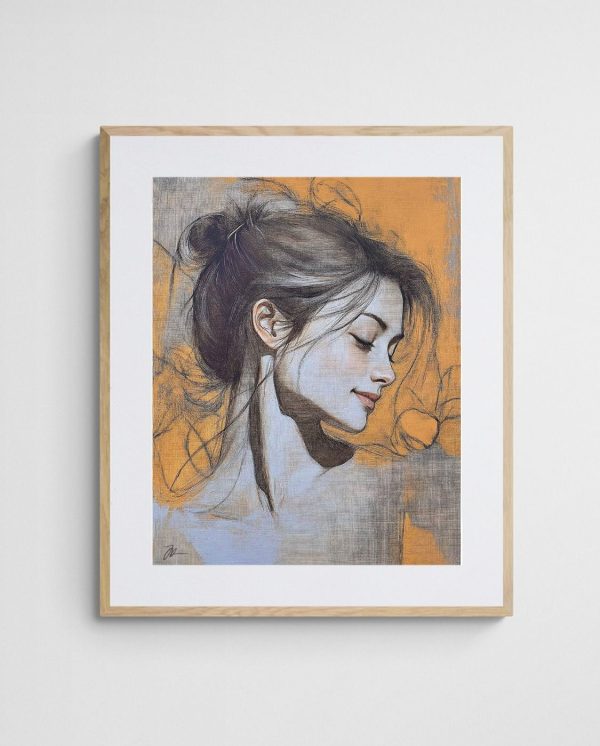
Works from the Urban Motion Collection demonstrate how abstract compositions can capture city energy and contemporary dynamism appropriate for professional environments. These pieces channel urban vitality into visual form, creating connections between the office environment and the broader metropolitan context in which many organisations operate. The “Mid Century Busywork – Blue Abstract Art” shows how dynamic composition combines with sophisticated colour to create workplace art that energises without overwhelming.


Pairing Dynamic Art with Workspace Design
Dynamic abstract art pairs particularly well with contemporary workspace design trends including flexible layouts, activity-based working, and hot-desking arrangements. These operational models emphasise movement, choice, and varied work modes throughout the day—characteristics that dynamic art visually reinforces. Position energetic compositions near touchdown spaces, phone booths, and collaboration zones where short-duration activities benefit from mental stimulation rather than requiring sustained calm.
Additionally, dynamic abstracts can define circulation paths and guide movement through spaces. A series of motion-based works along a corridor creates visual rhythm that unconsciously encourages flow and activity, while isolated dynamic pieces at decision points—intersections, stairwells, elevator banks—add interest to transitional moments that might otherwise feel utilitarian.
Personalisation and Zone-Specific Art
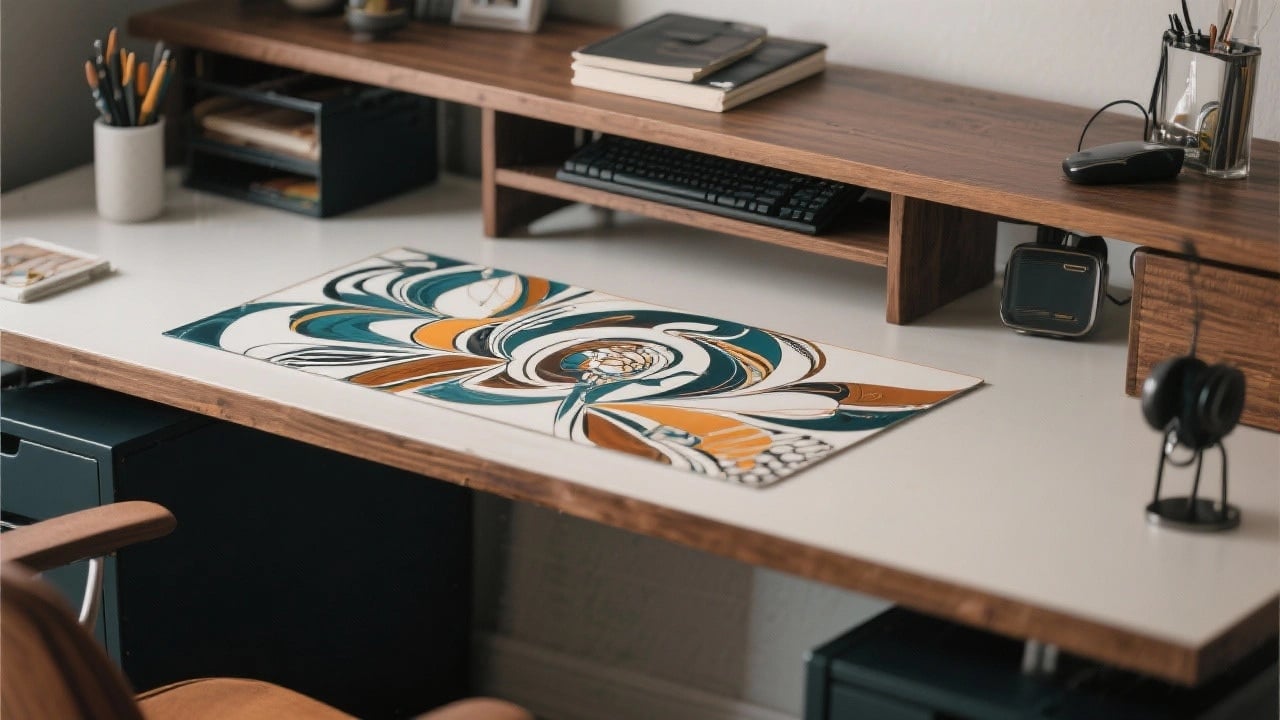
Modern workplace strategy increasingly recognises that productivity emerges not from one-size-fits-all environments but from spaces offering choice, variety, and personalisation opportunities. This philosophy extends to art selection, with progressive organisations moving beyond uniform decoration toward zone-specific curation that supports distinct activities, departmental cultures, and individual preferences. This trend reflects broader shifts toward employee-centred workplace design that prioritises wellbeing and personal agency.
Zone-specific art curation involves analysing how different areas function and selecting artwork that amplifies intended use. Quiet zones benefit from calming, minimalist works that support concentration. Collaborative areas work well with conversation-starting pieces that spark discussion and creative thinking. Social spaces including kitchens and break rooms can accommodate more playful, colourful abstracts that promote relaxation and informal interaction. This differentiated approach creates varied visual landscapes within a single workplace, supporting the diverse cognitive and social modes that characterise contemporary work.
Personalisation extends to allowing teams or individuals some control over their immediate visual environment. Organisations increasingly provide art selection options rather than prescriptive schemes, recognising that personal connection to workspace aesthetics significantly impacts satisfaction and engagement. This might involve rotating art collections, providing choice within curated selections, or encouraging teams to collaboratively select pieces for their areas. Even modest personalisation opportunities can substantially increase employees’ sense of ownership and workplace satisfaction.
Culturally diverse workplaces benefit from art selections that reflect varied aesthetic traditions and cultural references. Abstract art offers particular advantages here, as non-representational forms avoid cultural specificity while remaining open to multiple interpretations. However, thoughtful curation can incorporate abstracts inspired by diverse artistic traditions, ensuring workplace art reflects organisational inclusivity. Exploring what inspires contemporary artists reveals the rich cultural dialogues informing abstract art creation.
Implementing Rotational Art Programs
Some organisations implement rotational art programs, periodically changing displayed works to maintain visual freshness and employee interest. This approach prevents habituation—the psychological process whereby familiar stimuli lose impact over time—ensuring workplace art continues providing psychological benefits rather than fading into unnoticed background. Rotation programs also allow exploration of different trends, styles, and approaches, gathering employee feedback that informs future permanent selections.
Art rotation need not involve significant expense. Many Australian galleries and art suppliers, including specialised abstract art print providers, offer leasing or subscription programs that facilitate regular updates. Alternatively, organisations might rotate art between different locations, creating variety without constant acquisition. These programs also provide opportunities to feature emerging artists, support local creative communities, and align workplace aesthetics with organisational values around cultural support and community engagement.
Implementation Guide for Your Office
Successfully implementing productivity-enhancing art trends requires systematic planning that considers budget, timeline, organisational culture, and practical logistics. Begin with comprehensive space assessment—documenting available wall space, lighting conditions, existing colour schemes, and functional requirements for each area. This audit reveals opportunities and constraints, ensuring art selection aligns with physical realities and practical considerations including maintenance, durability, and installation requirements.
Develop a clear vision statement articulating what you wish workplace art to achieve. Are you primarily seeking to reduce stress, stimulate creativity, project professional credibility, or some combination of objectives? How does art selection support broader workplace culture and organisational values? This foundational clarity prevents scattered, inconsistent selections that fail to deliver meaningful impact. Engage stakeholders including facilities teams, department leaders, and employee representatives to ensure diverse perspectives inform planning and build organisational buy-in for implementation.
Budget allocation should balance quality with coverage—better fewer substantial pieces than numerous low-quality prints that undermine rather than enhance professional atmosphere. High-quality giclée prints on premium paper or canvas offer excellent value, providing gallery-worthy presentation at accessible price points compared to original artworks. Consider framing carefully, as quality frames dramatically impact perceived value and professional presentation. For guidance on technical considerations, consult resources about abstract canvas wall art options and framing best practices.


Installation planning requires attention to practical details including wall conditions, hanging systems, and safety compliance. Engage professional installers for large or heavy pieces, ensuring proper support and alignment. Consider implementing gallery-style hanging systems with adjustable cables or rails, facilitating future adjustments and rotations without wall damage. In leased spaces, verify landlord requirements regarding wall modifications and obtain necessary approvals before installation.
Measuring Impact and Adjusting Strategy
Implementing workplace art isn’t a one-time project but an ongoing process requiring evaluation and adjustment. Establish baseline measurements before implementation—employee satisfaction surveys, sick leave data, productivity metrics relevant to your industry—allowing comparison after art installation. While isolating art’s specific impact proves challenging given multiple workplace variables, tracking these metrics alongside environmental changes provides valuable insight into overall effectiveness.
Gather qualitative feedback through informal conversations, suggestion systems, and periodic surveys. Do employees notice and appreciate the new art? Do they report feeling differently in various zones? Are there particular pieces generating strong positive or negative reactions? This feedback informs future selections and reveals opportunities for refinement. Remember that art’s impact often operates below conscious awareness—employees may not explicitly attribute improved mood or focus to visual environment changes, yet still benefit from them.
Plan for evolution as organisational needs change, design trends shift, and workplace culture develops. Art that served well during growth phases might need replacement as the organisation matures. Spaces repurposed for different functions require corresponding art adjustments. Treating workplace art as dynamic rather than permanent allows continuous optimisation supporting productivity, wellbeing, and organisational objectives over time. Many organisations find value in establishing ongoing relationships with art consultants or galleries who understand their aesthetic direction and can provide updated selections as needs evolve.
Practical Considerations for Australian Offices
Australian offices face specific considerations including climate impacts on art preservation, cultural context influencing aesthetic preferences, and practical logistics given the nation’s geography. In humid coastal areas, ensure proper framing with moisture barriers protecting prints. In bright, sun-exposed locations, specify UV-protective glazing preventing colour fading. These practical details determine whether art maintains its impact and appearance over years of display.
Australian workplaces benefit from supporting local artists and suppliers, fostering cultural connection while addressing logistical advantages of domestic sourcing. Shorter shipping distances reduce cost and environmental impact while supporting local creative economies. Many Australian abstract artists create works specifically responsive to local landscapes, light quality, and cultural context, offering authentic regional character that imported works cannot match. Exploring emerging Australian abstract artists reveals exciting contemporary talent suitable for forward-thinking workplace curation.
Consider engaging design services that specialise in workplace art curation. Professional consultants bring expertise in space planning, colour theory, and art selection while saving time and reducing risk of costly mistakes. Many suppliers offer complimentary room design services helping visualise how specific artworks will appear in your actual spaces before purchase. These services prove particularly valuable for significant investments or comprehensive workplace art programs involving multiple locations and varied spaces.
The intersection of abstract art trends and workplace productivity represents far more than aesthetic preference—it reflects growing understanding of how physical environments shape cognitive performance, emotional wellbeing, and organisational culture. By thoughtfully implementing geometry-focused compositions, strategic colour psychology, minimalist aesthetics, biophilic elements, and dynamic motion-based works, organisations create workplaces that actively support rather than merely house productive activity. As work continues evolving, with increasing emphasis on flexibility, wellbeing, and human-centred design, the strategic use of abstract art will remain central to creating offices where people genuinely thrive.
 | Joseph Russell Joseph is an Australian abstract artists and curator of the Inomaly art collection. |