
Transforming a room with abstract art is one of the most impactful yet underutilised design strategies available to homeowners and interior enthusiasts. Whether you’re working with a blank canvas living space or refreshing a tired bedroom, abstract wall art has the power to completely reshape how a room feels, functions, and reflects your personal style. Unlike traditional representational art, abstract pieces offer flexibility, sophistication, and an emotional resonance that invites interpretation. This guide walks you through a practical, step-by-step approach to selecting, placing, and layering abstract art to create stunning transformations in any space.
The transformation of a room through abstract art works through three interconnected mechanisms: colour psychology, spatial composition, and visual storytelling. When you introduce abstract art strategically, you’re not simply hanging a picture—you’re establishing a visual anchor that influences everything from wall colour choices to furniture placement and lighting design. The right pieces can make small spaces feel larger, energise dull corners, create focal points that draw the eye, and establish emotional atmospheres that resonate with the room’s intended purpose. By following a methodical approach to selecting and positioning your art, you’ll unlock possibilities you may not have imagined your space could achieve.
Step 1: Assess Your Space and Define Your Vision
Before selecting a single artwork, take time to genuinely understand what you’re working with. Spend a few days in the space at different times—morning light, afternoon brightness, and evening ambience all reveal different characteristics. Consider the room’s architectural features: does it have high ceilings, awkward corners, or prominent architectural elements? Note the current colour scheme, existing furniture styles, and how natural light moves through the space.
Document what you want this room to feel like emotionally. Should it energise you, calm you, inspire creativity, or promote relaxation? Different abstract styles evoke distinctly different moods. A room intended for rest needs different art from a home office designed for productivity. Understanding this distinction ensures your art selection reinforces rather than contradicts your space’s purpose. Take photographs of your space from multiple angles—these become invaluable reference points during the selection process.
Step 2: Understand Abstract Art Styles and Their Impact
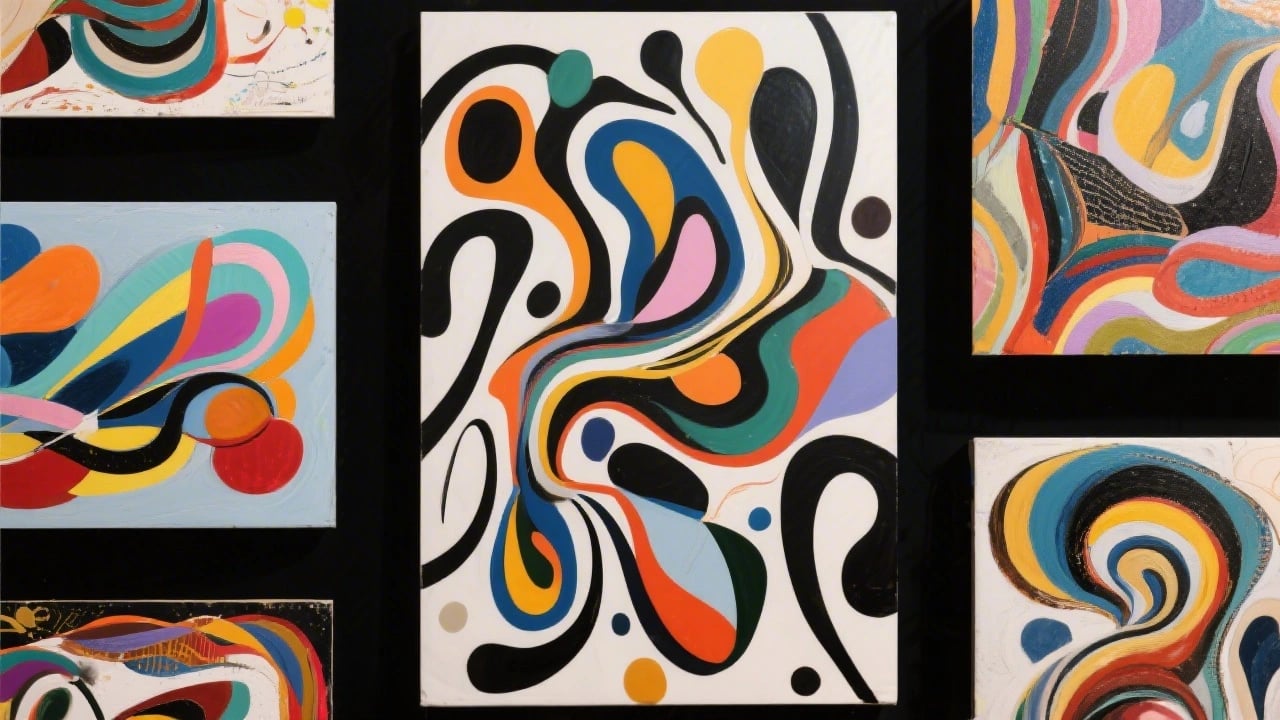
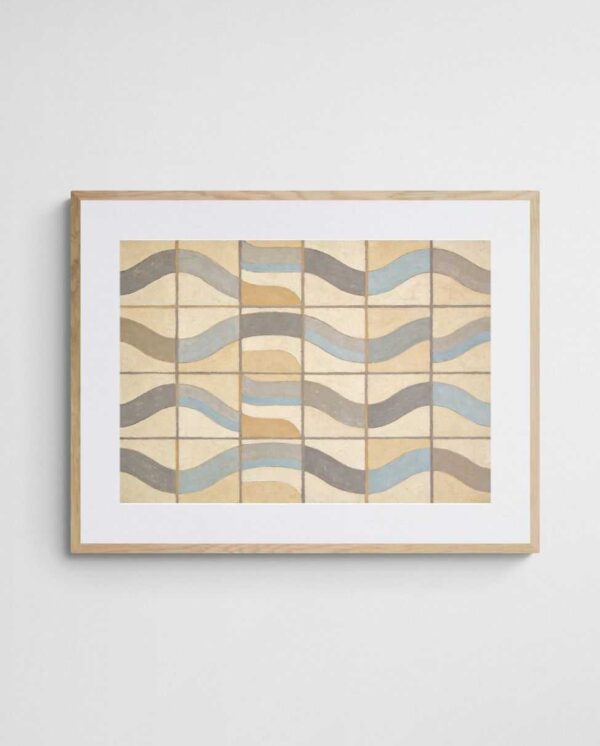
Abstract art encompasses numerous distinct approaches, each creating different psychological and visual effects. Understanding different abstract styles helps you make intentional choices rather than simply selecting pieces you like aesthetically. Geometric abstracts—featuring clean lines, defined shapes, and mathematical precision—create order, sophistication, and intellectual appeal. These work beautifully in modern spaces and rooms requiring focus and clarity.
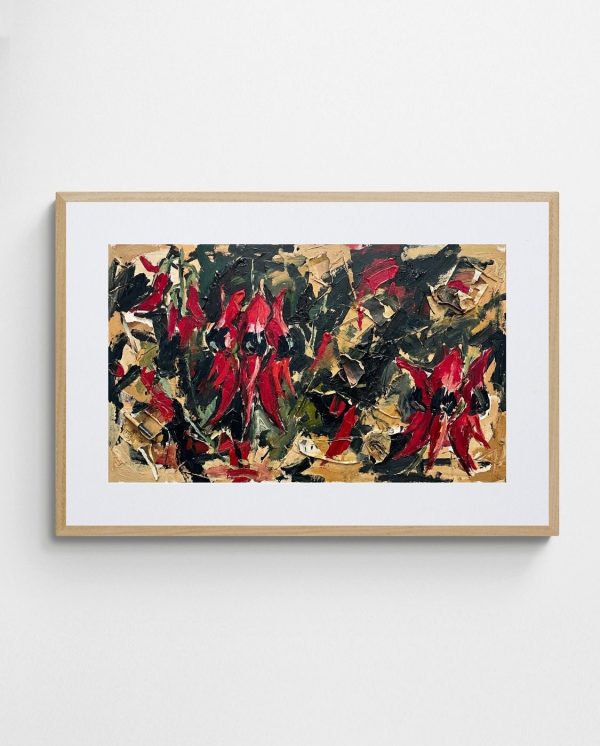
Conversely, expressive or gestural abstracts feature loose brushwork, emotional colour combinations, and spontaneous composition. These pieces inject energy, passion, and dynamism into spaces. Lyrical abstraction, which emphasises colour and form over representation, creates contemplative, almost meditative atmospheres. Minimalist abstracts, stripped to essential elements, offer restfulness and sophisticated restraint. Understanding which style aligns with your space’s purpose prevents mismatches between art and environment.

Step 3: Choose Your Colour Palette and Scale
Colour selection is perhaps the most transformative element of your abstract art. Colour dramatically transforms spaces through both visual and psychological mechanisms. Before selecting specific artworks, decide whether you want your abstract pieces to complement or contrast with existing wall colours and furnishings. Complementary approaches create harmony and cohesion—your art picks up accent colours already present in the room. Contrasting approaches use your art as a bold statement that challenges the existing palette and becomes the visual focal point.
Scale matters equally. A small piece in a vast, empty wall feels lost and diminished. Conversely, an oversized artwork can overwhelm an intimate space or make navigation difficult. Consider the wall’s size relative to furniture placement, doorways, and windows. Generally, artwork should occupy between one-third and two-thirds of wall space above furniture. For statement walls behind sofas or beds, larger pieces create dramatic impact. For corners or smaller walls, appropriately scaled pieces maintain visual balance without overwhelming the space.
Step 4: Select and Source Your Abstract Pieces
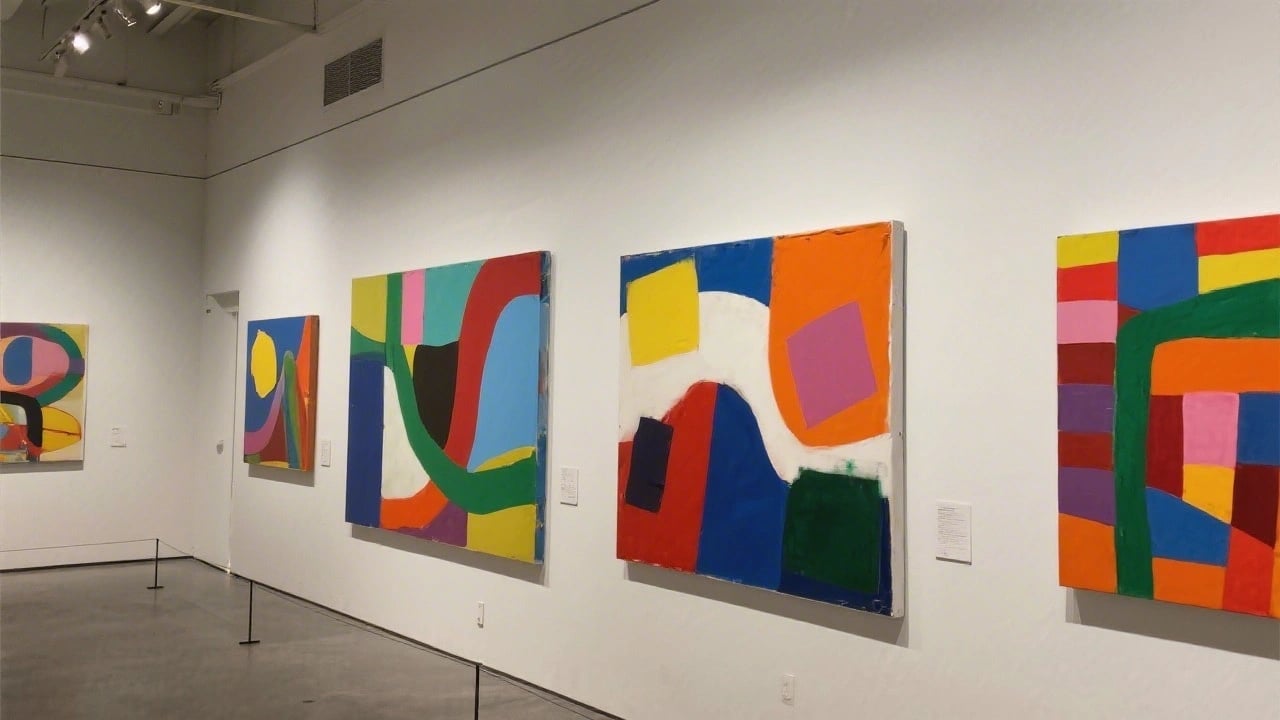
With your vision, style preferences, and colour parameters established, you can now approach art selection with intention. Rather than browsing randomly, use your room photographs and colour notes as filtering criteria. Consider whether you prefer framed prints, unframed canvas, or mixed formats. Each presents differently: framed prints feel finished and gallery-like, whilst canvases offer contemporary, wall-integrated aesthetics. Explore our collection of abstract art prints organised by style, colour palette, and collection theme to streamline your search process.
Think about the number of pieces you’ll display. A single large statement piece creates drama and simplicity. A gallery wall—multiple pieces arranged together—adds sophistication and personality, though requires more planning. A pair of coordinating pieces balances visual weight whilst introducing variety. Consider both the individual impact of each piece and how multiple selections interact when viewed together. Cohesion emerges through intentional colour repetition, thematic connection, or style consistency rather than matching pieces exactly.
Step 5: Plan Your Layout and Placement Strategy
Strategic placement dramatically influences how art functions within your space. Begin by identifying focal points—areas naturally drawing the eye. Above a sofa, fireplace, or bed, art becomes an architectural anchor. Placing art at eye level (approximately 57-60 inches from floor to artwork centre) creates engagement and conversation. However, in rooms with high ceilings, slightly elevated positioning prevents the artwork from appearing disconnected from the space’s verticality.
Consider negative space thoughtfully. Art shouldn’t fight for visual dominance with busy patterns, numerous mirrors, or other focal points. In transitional spaces like hallways or entryways, art paces movement and guides traffic flow. Bedroom art should feel restful rather than overstimulating—avoid aggressive colour combinations or chaotic compositions directly above where you sleep. Office and workspace art should inspire focus and creativity without creating visual chaos that fragments attention.
Step 6: Coordinate Art with Your Existing Decor
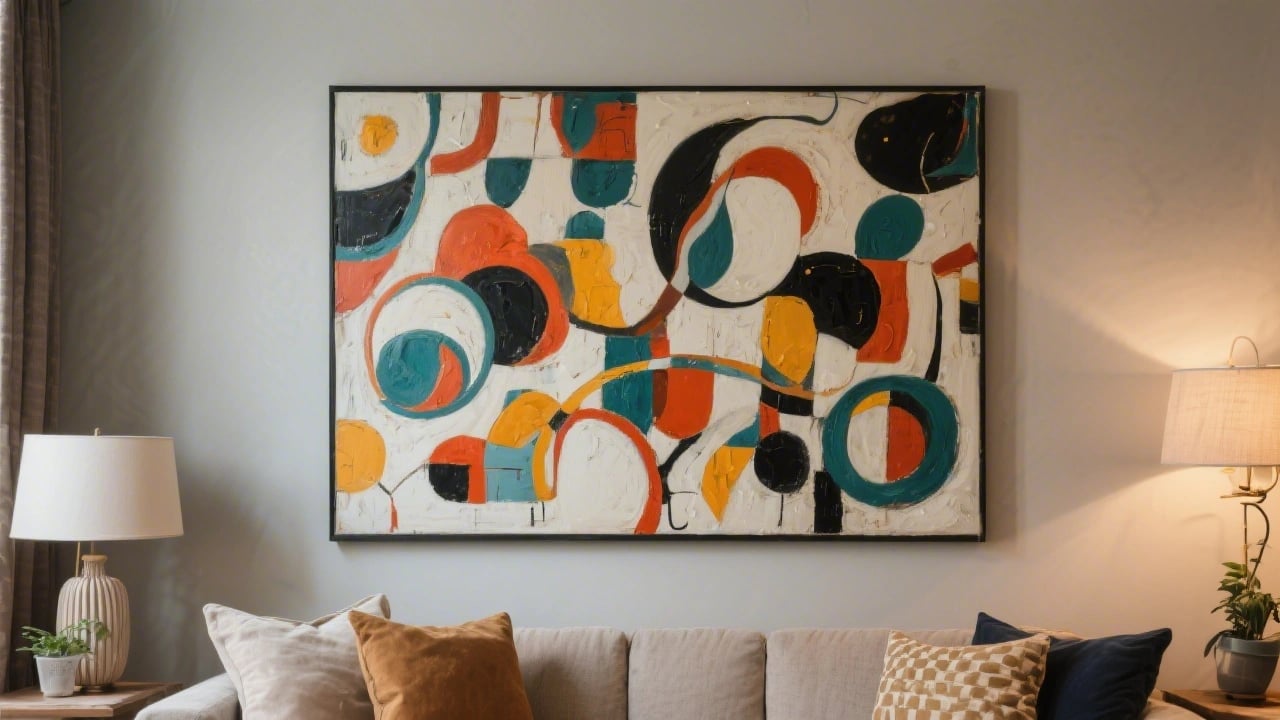
Successful rooms emerge when abstract art harmonises with rather than contradicts existing elements. Coordinating abstract art with furniture involves subtle colour echoing and stylistic alignment. If your furniture features warm wood tones, cool metallic grey abstracts create interesting tension. If your furnishings are predominantly neutral, colourful abstracts become expressive focal points. If your existing decor is already highly patterned or colourful, restrained, muted abstracts provide visual relief.
Fabric textures interact with art in subtle ways worth considering. Smooth, sleek upholstery pairs naturally with geometric or minimalist abstracts. Textured, layered fabrics complement expressive, gestural pieces. The relationship between flooring, wall finishes, and artwork also matters. Matte walls ground artwork differently than glossy surfaces. Light wood flooring creates different contextual effects than dark stone. These considerations seem granular but collectively determine whether a space feels intentionally designed or accidentally assembled.


Step 7: Install, Style, and Step Back
Proper installation transforms how art presents within your space. Ensure artwork hangs straight, securely mounted at the height and position you’ve planned. Lighting dramatically affects how abstract art appears—cool white light reveals different colour nuances than warm, golden light. If possible, position artwork where it receives natural light without harsh glare that obscures detail or creates reflective interference. Consider whether accent lighting might enhance your installation, particularly for pieces featuring metallic accents or varied textures.
Allow your styled space to settle before finalising decisions. Live with your arrangement for several days. Does it feel right at different times? Does the art enhance the room’s functionality or distract from it? Are colours reading as you intended under various lighting conditions? Sometimes subtle adjustments—moving a piece slightly, reframing artwork differently, or introducing complementary accent pieces—resolve minor concerns without requiring major changes. Trust your instinct whilst remaining open to refinement.
Remember that transforming a room through abstract art remains an evolving process. As your tastes develop or life circumstances change, your art choices can evolve alongside you. The flexibility of abstract pieces—their ability to mean different things to different viewers and to adapt to changing contexts—makes them endlessly rewarding decorative investments. Start with one meaningful piece if you’re uncertain, then build your collection thoughtfully over time. Each addition contributes to a personal, curated environment that authentically reflects who you are and how you want to live.


The transformation of your space through abstract art ultimately succeeds when your selections create harmony between your aesthetic vision, the room’s functional purpose, and your personal values. Take your time selecting pieces that genuinely resonate rather than simply filling wall space. Consider how your art choices interact with lighting, colour, furniture, and architectural elements. Most importantly, trust that abstract art’s flexibility and depth create possibilities for transformation that representational art often cannot achieve. Whether you’re creating a serene retreat, an energising workspace, or a sophisticated gathering area, thoughtfully selected abstract art becomes the visual language through which your room expresses its unique character and purpose.
 | Joseph Russell Joseph is an Australian abstract artist and curator of the Inomaly art collection. |