
In the competitive world of finance and accounting, every design decision within your office speaks volumes about your firm’s values and professionalism. From the moment clients step through the door, they subconsciously assess your credibility, attention to detail, and success. The art you display on your walls plays a surprisingly powerful role in shaping these crucial first impressions. Abstract wall art, in particular, offers unique advantages for accounting firms—conveying sophistication without distraction, professionalism without sterility, and visual interest without controversial subject matter.
Selecting the right art for your accounting firm requires a strategic approach that balances aesthetic appeal with psychological impact. The most effective choices feature clean geometric compositions that reflect the precision of your work, calming colour palettes that reduce client anxiety during tax season, and sophisticated minimalist designs that communicate competence. Additionally, your art selections should complement your existing office palette while reinforcing your brand identity. Throughout this guide, you’ll discover a systematic approach to choosing abstract prints that enhance your professional environment, boost employee morale, and create the lasting impression of a firm that values both numbers and nuance.
Understanding the Psychology of Office Art
The psychological impact of visual environments on human behaviour has been extensively documented across numerous studies. In professional settings, artwork influences everything from stress levels to perceived trustworthiness. For accounting firms specifically, where clients often arrive feeling anxious about financial matters, the right art can serve as a powerful calming mechanism while simultaneously projecting competence and stability.
Abstract art offers distinct advantages over representational imagery in professional contexts. Unlike figurative paintings or photographs that may trigger personal associations or controversial interpretations, abstract compositions allow viewers to project their own meanings without imposing specific narratives. This neutrality is particularly valuable in accounting offices, where you serve diverse clientele with varying tastes and backgrounds.
Moreover, research in environmental psychology reveals that exposure to visual art in workspaces correlates with increased employee satisfaction and productivity. When staff members work in thoughtfully designed environments, they report higher job satisfaction and demonstrate improved focus. Consequently, your investment in quality abstract wall art serves dual purposes—impressing clients while simultaneously creating a more pleasant workspace for your team.
The colors, forms, and compositions you select communicate subliminal messages about your firm’s values. Geometric patterns suggest order and precision—qualities clients naturally seek in their financial advisors. Meanwhile, pieces featuring balanced compositions convey stability, and restrained color palettes project professionalism. Understanding these psychological connections enables you to make strategic art choices rather than purely decorative ones.
Assessing Your Office Space and Needs

Step 1: Map Your Office Layout and Identify Key Zones
Begin by creating a simple floor plan of your office, identifying distinct zones where art will make the greatest impact. Reception areas require particular attention, as these spaces form clients’ first impressions. Conference rooms benefit from larger, more commanding pieces that serve as conversation starters while maintaining professional boundaries. Individual offices and workspaces need art that energizes without distracting. Additionally, consider transitional spaces like hallways and waiting areas, which often go overlooked despite offering excellent opportunities for cohesive visual storytelling.
Step 2: Measure Wall Dimensions and Lighting Conditions
Accurate measurements prevent costly purchasing mistakes and ensure proper proportions. For each designated wall space, measure both width and height, noting any architectural features like windows, electrical outlets, or built-in shelving that might affect placement. Furthermore, assess the lighting conditions throughout the day—natural light sources, overhead fixtures, and task lighting all influence how colors and textures appear. Take photographs at different times to document how lighting changes, as this information will guide your color selections.
Once you’ve documented your physical space, evaluate your existing office aesthetic. What colors dominate your furniture, carpeting, and wall paint? What style best describes your current interior—modern minimalist, traditional professional, or contemporary eclectic? Your art selections should complement rather than clash with these established elements, creating visual harmony throughout your space.
Consider the specific functions of each area as well. Tax preparation rooms might benefit from particularly calming artwork, while spaces dedicated to financial planning could feature more aspirational pieces suggesting growth and prosperity. Your strategic assessment ensures that every art purchase serves a specific purpose rather than simply filling empty walls.


Selecting Colours That Project Authority and Calm
Step 3: Identify Your Core Brand Colors and Complement Them
Review your firm’s branding materials—logo, website, business cards, and letterhead—to identify your established color palette. Your office art should subtly reinforce these colours without overwhelming them. If your branding features navy blue and silver, for instance, look for abstract pieces incorporating similar hues alongside complementary neutrals. This creates subconscious brand recognition while maintaining sophisticated visual appeal.
Colour psychology plays a crucial role in accounting office environments. Blue tones consistently rank among the most effective choices for professional spaces, as they evoke trust, stability, and competence—precisely the qualities clients seek in financial advisors. According to research in color psychology, blue also reduces stress and promotes mental clarity, making it ideal for both client-facing areas and work zones.
Green represents another excellent option, particularly for firms emphasising growth, sustainability, or long-term planning. Green hues create calming environments while suggesting prosperity and balance. Earth tones—warm greys, soft browns, and muted terracottas—project approachability and stability without sacrificing professionalism. These colors work particularly well in firms targeting family clients or small business owners who may find stark corporate environments intimidating.
While bolder colors can certainly have their place, approach them strategically. Touches of gold or warm metallics can suggest success and premium service without appearing ostentatious. Similarly, small accents of energizing colours like coral or yellow can prevent spaces from feeling too austere, particularly in employee-focused areas. The key lies in balance—predominantly neutral and calming palettes punctuated with intentional colour moments.
Avoid overly bright or aggressive color schemes that might trigger anxiety or appear unprofessional. Neon hues, excessive reds, or chaotic multi-colour compositions rarely serve accounting firms well. Instead, seek sophisticated pieces that demonstrate colour mastery through subtle gradations, thoughtful contrasts, and harmonious combinations. For inspiration on how colour relationships work in abstract compositions, explore the hidden codes behind abstract composition mastery.



Choosing Abstract Styles That Reflect Precision

Step 4: Select Geometric and Minimalist Compositions
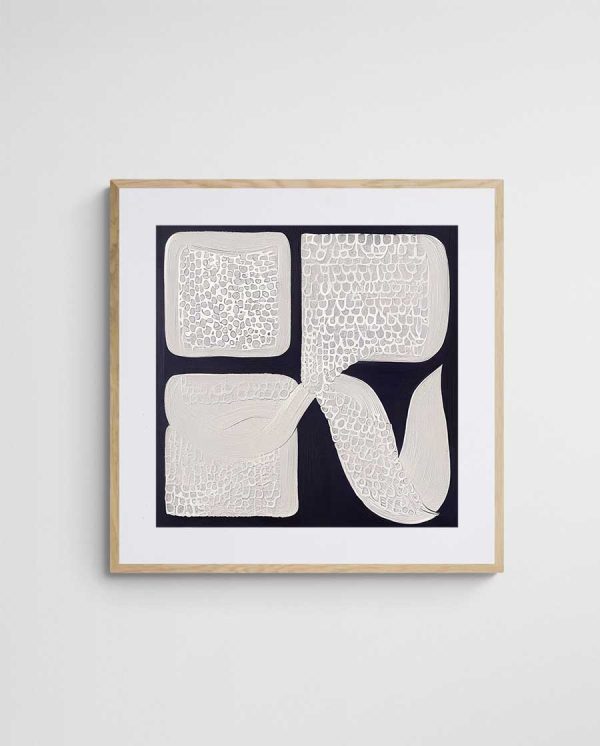
Geometric abstract art aligns naturally with accounting’s fundamental nature—both involve patterns, relationships, and precise calculations. Look for pieces featuring clean lines, balanced proportions, and mathematical elegance. Minimalist compositions communicate confidence through restraint, suggesting a firm that values clarity over clutter. These styles also age well aesthetically, ensuring your investment remains relevant for years to come.
The “String Theory – Home & Office Art Print” exemplifies this approach perfectly, with its intersecting lines and structured composition reflecting the interconnected nature of financial systems while maintaining visual sophistication appropriate for professional settings.
Consider also how different abstract movements align with your firm’s personality. Geometric art principles work exceptionally well for traditional accounting practices that emphasise structure and reliability. Meanwhile, firms positioning themselves as innovative financial advisors might incorporate more contemporary abstract expressionist pieces that suggest forward-thinking while maintaining professionalism.
Texture adds another dimension worth considering. While you’ll likely select prints rather than original paintings for budget and consistency reasons, look for high-quality reproductions that capture textural qualities. Subtle variations in surface appearance add visual interest without crossing into distraction, creating artworks that reward closer inspection during those inevitable waiting room moments.
Pattern-based abstracts offer another strategic option, particularly for larger wall spaces. Repeating motifs create rhythm and movement while suggesting the systematic approaches that define quality accounting work. However, ensure patterns remain subtle enough to avoid visual fatigue—your art should energise spaces without overwhelming them.
Balancing Contemporary Appeal with Timeless Design
While staying current matters, avoid overly trendy styles that will date quickly. Your office art represents a long-term investment, and replacing pieces every few years proves both costly and disruptive. Instead, seek abstract works that incorporate contemporary sensibilities within classic design principles. This approach keeps your office feeling fresh without requiring constant updates.
Evaluate how potential pieces photograph, as well. In our digital age, clients increasingly encounter your office through virtual tours, video calls, and social media posts. Art that appears sophisticated both in person and on screen offers added value, enhancing your professional image across all platforms. For insights into current aesthetic trends, review the latest abstract art trends for 2026.


Strategic Placement for Maximum Impact
Step 5: Position Statement Pieces in High-Impact Locations
Your reception area deserves your most impressive artwork—this becomes the anchor piece that sets expectations for your entire office aesthetic. Position this piece on the primary focal wall opposite the entrance, ensuring it’s the first element visitors notice upon arrival. This statement artwork should be substantial in size, typically occupying 60-75% of the wall width at eye level (approximately 57-60 inches from floor to centre). Choose a commanding composition that embodies your firm’s values without overwhelming the space.
Step 6: Create Visual Continuity Throughout Your Office
While each space can feature distinct pieces, maintain cohesion through repeated colors, similar styles, or complementary compositional approaches. This creates a curated collection feel rather than random assortment. Consider purchasing multiple works from the same artist or series to ensure natural harmony. As clients move through your office—from reception to conference room to individual offices—they should experience consistent aesthetic quality that reinforces your attention to detail.
Conference rooms require particular consideration, as these spaces host crucial client meetings, presentations, and negotiations. The artwork you select should command attention without dominating discussions. Position pieces on walls where they’re visible but not directly behind where clients typically sit—this prevents distraction while ensuring the art enhances the room’s ambiance. Pieces suggesting growth, stability, or collaborative achievement work particularly well in these settings.
In private offices, art selection becomes more personal while remaining professional. Partners and senior staff might appreciate slightly bolder or more individualistic pieces that reflect their personalities while staying within your overall aesthetic framework. These spaces allow for modest creative freedom without abandoning cohesion. Individual workstations benefit from smaller-scale abstracts that personalise spaces without cluttering them.
Creating Gallery Walls and Multi-Piece Installations
Gallery walls offer sophisticated solutions for larger wall expanses or long corridors. However, executing them successfully requires planning. Begin by arranging your selected pieces on the floor, experimenting with configurations until you achieve pleasing balance. Photograph arrangements before installation to reference during hanging. Maintain consistent spacing between frames—typically 2-3 inches—and align pieces using a common element like bottom edges or central horizontal lines.
Alternatively, consider diptychs or triptychs—multi-panel works designed as cohesive compositions. These create immediate impact while offering flexibility in arrangement. They work particularly well in conference rooms or behind reception desks, where their scale and intentional design communicate investment in quality.


Practical Considerations for Professional Environments
Step 7: Choose Appropriate Framing and Mounting Solutions
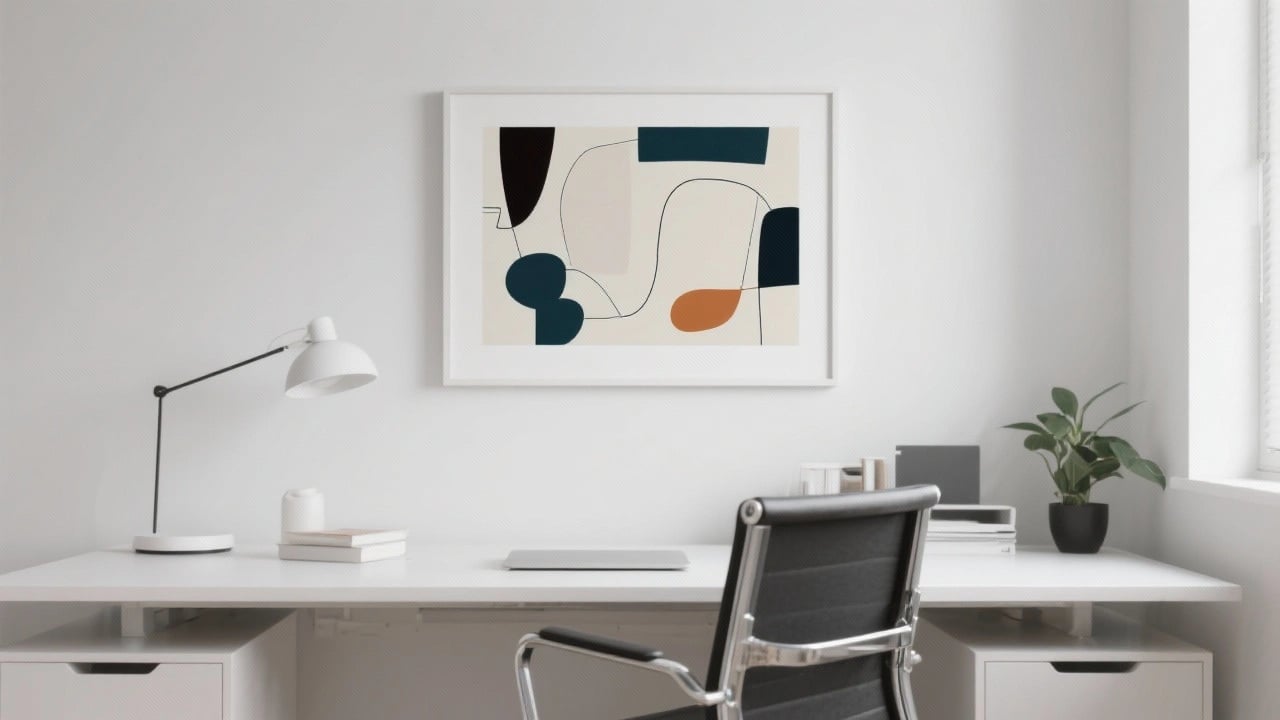
Professional presentation matters tremendously in accounting offices. Select high-quality frames that complement both the artwork and your office aesthetic. For modern offices, clean-lined frames in black, white, or natural wood work universally well. Traditional firms might prefer more substantial frames with subtle detailing. Ensure all frames within visible sight lines share consistent styles—mixing frame types appears haphazard rather than curated. Consider professional mounting options like float mounting or museum-quality matting that elevate prints to gallery-worthy presentation.
Budget allocation deserves careful thought as well. Rather than filling every wall immediately with inexpensive options, consider phasing your art acquisitions while prioritising quality over quantity. Begin with key areas—reception, main conference room, and visible corridors—then expand gradually. This approach allows for more substantial investment in fewer, higher-impact pieces that genuinely enhance your professional environment.
Maintenance requirements factor into practical decision-making too. Glass-covered frames protect prints from dust, moisture, and fading while simplifying cleaning—important in busy offices where staff may not regularly dust artwork. UV-protective glass prevents sun damage in spaces with significant natural light, preserving your investment’s appearance over time. For more guidance on professional presentation, consult resources about framing and hanging giclée prints.
Insurance and documentation considerations apply to significant art purchases. Maintain purchase records, certificates of authenticity, and photographs of all installed artwork. This documentation proves valuable for insurance purposes and asset tracking. Some accounting firms even capitalise art purchases as depreciable assets, making proper documentation essential for your own tax purposes.
Seasonal Refreshes and Rotating Displays
While permanent installations form your core aesthetic, consider incorporating flexibility for occasional refreshes. Rotating smaller pieces seasonally prevents visual stagnation and demonstrates ongoing attention to your environment. This approach works particularly well in employee areas, where changing displays can boost morale and engagement. Store off-season pieces properly—protected from humidity, temperature extremes, and direct sunlight—to maintain their condition.
Employee input in art selection can foster ownership and satisfaction with shared spaces. Consider forming a small committee to review options for common areas, or allow individual staff members to select pieces for their personal workspaces from pre-approved collections. This participatory approach balances aesthetic control with personalisation, creating environments where team members feel valued.
For comprehensive guidance on selecting art specifically designed for professional settings, explore the curated abstract prints for office walls collection, which features pieces selected specifically for workplace environments.


Addressing Common Challenges and Objections
Budget constraints represent the most common obstacle to quality office art. However, contemporary abstract prints offer sophisticated solutions at accessible price points. High-quality giclée reproductions capture the visual impact of original works while remaining within reasonable budgets for professional offices. When evaluating costs, consider the longevity of your investment—quality pieces maintain their appearance and relevance for decades, making the cost-per-year remarkably low.
Decision paralysis often strikes when choosing from extensive options. Simplify the process by establishing clear criteria based on your space assessment, colour analysis, and style preferences. Create a shortlist of 3-5 pieces per location, then evaluate them systematically against your criteria. If possible, request samples or use digital visualisation tools to preview pieces in your actual spaces before finalising purchases.
Concerns about appearing too decorative or insufficiently serious sometimes deter accounting firms from investing in quality art. However, thoughtfully selected abstract works actually enhance rather than diminish professional credibility. They demonstrate attention to detail, investment in quality, and understanding that environment impacts both client experience and employee performance—all qualities that strengthen rather than weaken your professional reputation.
Individual taste variations among partners or decision-makers can complicate selections. Address this challenge by focusing discussions on objectives rather than personal preferences. What impression should your office convey? What emotions should clients experience? What values define your firm? Abstract art’s inherent flexibility often allows pieces to satisfy multiple aesthetic preferences simultaneously, making consensus more achievable than with representational artwork.


Implementing Your Art Strategy Successfully
Once you’ve made your selections, schedule installation during off-hours to minimise disruption. Professional installation ensures proper hanging—level, secure, and at appropriate heights. While DIY hanging works for smaller pieces, larger or heavier artworks merit professional expertise to prevent damage to both art and walls.
Document your completed installation with high-quality photographs. These images serve multiple purposes: marketing materials showing your professional environment, insurance documentation, and reference points for future additions or replacements. Share selected images on your website and social media channels, as your thoughtfully designed space differentiates you from competitors operating from sterile, impersonal offices.
Consider commissioning custom abstract works if your budget allows and you have specific vision. Many contemporary abstract artists welcome corporate commissions, creating pieces tailored to your exact color requirements, dimensions, and aesthetic preferences. While more expensive than prints, custom originals become unique assets that distinguish your firm while potentially appreciating in value over time.
Regularly reassess your office art as your firm evolves. Expansions, relocations, or rebranding initiatives may necessitate new pieces or different arrangements. Maintaining flexibility in your approach ensures your visual environment continues serving its strategic purposes rather than becoming stale or misaligned with your current identity. The diverse selection available through abstract art prints makes periodic refreshes both accessible and affordable.
Understanding broader movements in abstract art enriches your selection process. Familiarising yourself with why contemporary artists embrace abstraction provides context for evaluating different styles and approaches, helping you make more informed, confident choices.
Conclusion: Transforming Numbers into Visual Narratives
Your accounting firm’s success depends substantially on the trust and confidence clients place in your expertise. Every element of your office environment contributes to building or undermining that trust, and the abstract art you display plays a more significant role than most professionals recognize. By following this systematic approach—understanding psychological impacts, carefully assessing your spaces, selecting strategic colours and styles, implementing thoughtful placement, and addressing practical considerations—you transform your office from merely functional to strategically designed.
The investment in quality abstract wall art pays dividends through enhanced client perceptions, improved employee satisfaction, and differentiation from competitors. Your carefully curated collection becomes part of your firm’s identity, communicating values and professionalism before you speak a single word. Furthermore, in an increasingly digital world where personal connections matter more than ever, a thoughtfully designed physical environment offers competitive advantage that technology alone cannot replicate.
Begin with a single strategic placement—perhaps that commanding reception area piece—and build from there. Each addition strengthens your visual narrative, creating an environment that both you and your clients genuinely appreciate. The psychology of profit extends beyond balance sheets and tax strategies; it encompasses the complete client experience, and abstract art provides a powerful tool for shaping that experience positively and memorably.
 | Joseph Russell Joseph is an Australian abstract artists and curator of the Inomaly art collection. |