
For decades, the visual identity of Australian art has been dominated by a singular narrative: sun-scorched landscapes, windswept gum trees, and the dusty iconography of the outback. Yet, this narrow lens has obscured a far richer, more complex artistic tradition that has always existed beneath the surface. Today, a growing chorus of artists, curators, and collectors are challenging this tired cliché, pushing Australian art into bold new territories that reflect the true diversity and sophistication of contemporary creative expression. It’s time we moved beyond the bush and recognised the full spectrum of what Australian art can be.
The reimagining of Australian art styles is not merely an aesthetic shift—it represents a fundamental rethinking of national identity, cultural priorities, and artistic possibility. From abstract expressionism rooted in coastal environments to urban-inspired geometric compositions, from native botanical studies rendered in contemporary palettes to experimental techniques that blur traditional boundaries, Australian artists are forging new visual languages. These emerging styles honour the landscape without being enslaved to it, celebrate Indigenous influence without appropriation, and embrace international movements while retaining distinctly local sensibilities. The result is an artistic renaissance that positions Australia not as a peripheral outpost rehashing colonial imagery, but as a vibrant creative hub generating work that resonates globally while remaining unmistakably Australian.
The Tyranny of the Bush: Why Australian Art Needed Reimagining
The romanticisation of the Australian outback has its roots in colonial mythology and nationalist narratives that emerged in the late nineteenth and early twentieth centuries. Artists like Arthur Streeton and Tom Roberts established a visual vocabulary centered on pastoral scenes, rugged bushmen, and the harsh beauty of inland Australia. While undeniably important historically, this tradition calcified into expectation, creating a prescriptive formula for what “Australian” art should look like. For international audiences and domestic collectors alike, Australian art became synonymous with ochre palettes, eucalyptus trees, and distant horizons—a picturesque but limiting stereotype.
This narrow definition marginalised vast swathes of Australian experience and geography. Coastal communities, urban environments, tropical regions, and alpine areas were rendered invisible in the dominant artistic narrative. Moreover, the focus on landscape as an empty stage for nationalist projection often overlooked Indigenous perspectives, contemporary social issues, and the lived reality of modern Australian life. The bush mythology, while evocative, became a creative straitjacket that prevented Australian art from evolving and reflecting the nation’s actual diversity.
The call to move beyond the bush is not a rejection of landscape or place-based art. Rather, it’s an expansion of possibility, an acknowledgment that Australian identity encompasses far more than the outback mythos. Contemporary artists are reclaiming the right to define Australian art on their own terms, drawing from diverse sources of inspiration that reflect lived experience rather than inherited cliché. This reimagining allows for multiple Australian art narratives to coexist, each valid and vital in its own right.
Coastal Consciousness: Australia’s New Visual Language
With over 85% of Australians living within 50 kilometres of the coast, it’s remarkable that coastal imagery has been relatively underrepresented in canonical Australian art. This is changing dramatically as contemporary artists embrace the ocean, beaches, and littoral zones as primary subjects and sources of inspiration. The resulting body of work—what we might call coastal consciousness art—offers a fresh visual language that is distinctly Australian yet fundamentally different from traditional bush imagery.
Coastal abstract art captures the dynamic interplay of light on water, the textures of sand and reef, the rhythms of tides and waves. Unlike the static, monumental quality of inland landscape painting, coastal works often convey movement, fluidity, and transformation. Artists working in this style employ layering techniques, translucent glazes, and gestural marks that evoke the ever-changing nature of marine environments. The palette shifts from dusty ochres to vibrant blues, teals, aquamarines, and coral tones—colours that reflect Australia’s spectacular reef systems and pristine beaches.
“The Deep Blue – Abstract Coastal Wall Art Print” exemplifies this coastal consciousness approach, using deep cerulean tones and flowing composition to capture the meditative quality of ocean environments. This work demonstrates how abstract techniques can evoke specific Australian places without resorting to literal representation.


The coastal reimagining of Australian art also carries environmental implications. As climate change threatens marine ecosystems, coastal art serves as both celebration and elegy, documenting beauty while raising awareness about fragility. Artists working in this mode are not merely aestheticising pretty beaches; they’re engaging with ecological urgency, creating work that resonates with contemporary anxieties about environmental stewardship. This fusion of aesthetic and ethical concerns positions coastal Australian art as socially relevant and forward-looking, rather than nostalgically backward-gazing.
The Materiality of Coastal Expression
Contemporary coastal artists are also experimenting with materials and techniques that echo marine environments. Encaustic wax, resin pours, and mixed media approaches create surfaces that shimmer and shift with changing light, mimicking the optical qualities of water. Some artists incorporate sand, shells, or other found materials, blurring the boundary between painting and sculpture. These material innovations expand what we consider “Australian art” to encompass, moving beyond traditional oil-on-canvas approaches toward more experimental, process-based practices that reflect contemporary art discourse globally.
Urban Abstraction: Cityscapes Reimagined
If coastal consciousness addresses one major gap in traditional Australian art narratives, urban abstraction tackles another: the relative invisibility of Australian cities in artistic representation. Melbourne, Sydney, Brisbane, Perth, and Adelaide are vibrant, cosmopolitan centres with distinctive architectural characters, cultural scenes, and urban rhythms. Yet, historically, Australian art has favoured rural and wilderness subjects over urban environments, as if cities were somehow less “authentically” Australian.
Contemporary artists are challenging this bias, creating sophisticated urban abstractions that capture the energy, complexity, and visual richness of Australian cities. These works often employ geometric forms, bold colour blocking, and dynamic compositions that reflect architectural structures, transport networks, and the fragmented experience of modern urban life. Unlike traditional cityscape painting, urban abstraction distills the essence of place through formal elements rather than representational accuracy, creating work that feels unmistakably urban without depicting specific buildings or landmarks.
“Melbourne Town” and “Southern Cross Station – Melbourne Abstract Landscape Diptych” represent this urban reimagining, translating Melbourne’s distinctive character into abstract visual language. These pieces acknowledge that Australian urban environments are legitimate subjects worthy of artistic exploration, expanding the definition of what constitutes Australian art beyond rural nostalgia.


Urban abstraction also connects Australian art to international movements in ways that bush mythology never could. The visual language of cities is inherently cosmopolitan, allowing Australian artists to participate in global conversations about urbanism, modernity, and contemporary life. This doesn’t dilute Australian identity; rather, it positions Australian cities as full participants in global urban culture, with their own distinctive contributions to make. The result is an Australian art that is simultaneously local and international, specific and universal.
The Rhythm and Pattern of City Life
One of the most compelling aspects of urban abstraction is how it captures the rhythmic, repetitive patterns of city life. Transport grids, building facades, crowd movements, and light patterns create visual rhythms that artists translate into compelling compositional structures. These works often incorporate elements from abstract composition principles, using repetition, variation, and visual flow to create dynamic tension and movement. The resulting pieces reflect the sensory overload and visual complexity of urban environments in ways that feel authentically contemporary and distinctly Australian in their execution.
Native Flora Reimagined: Beyond Traditional Botanical Art
Australian native plants have long featured in artistic representation, from colonial botanical illustrations to decorative floral studies. However, much of this tradition has been constrained by naturalistic rendering and scientific documentation approaches. Contemporary artists are reimagining native flora through abstract and expressionist lenses, creating work that captures the essence, energy, and emotional resonance of Australian plants rather than their botanical accuracy.
This shift represents a significant evolution in how we visualise the Australian environment. Traditional botanical art, while beautiful, often treated plants as specimens to be catalogued and documented—a legacy of colonial scientific projects. Contemporary native floral abstraction, by contrast, engages with plants as living presences, capturing their growth patterns, colours, textures, and the feelings they evoke. Artists working in this mode often employ bold colours that exaggerate natural hues, gestural brushwork that conveys organic movement, and compositional strategies that emphasise form and structure over literal representation.
“Indigo Bloom – Vibrant Waratah Abstract Wall Art Print” demonstrates this reimagined approach to native flora, using intensified colour and expressive technique to capture the dramatic presence of the iconic waratah. Rather than documenting the flower botanically, the work conveys its emotional impact and visual power, creating a visceral response that transcends mere recognition.
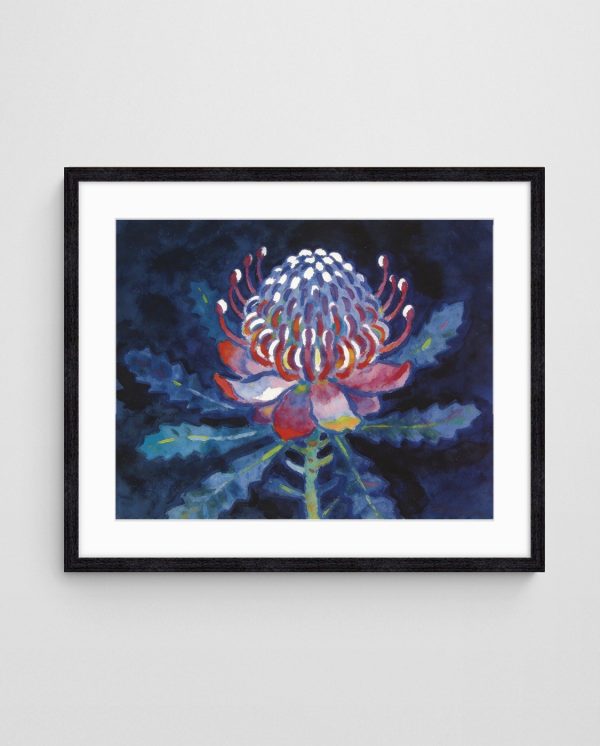
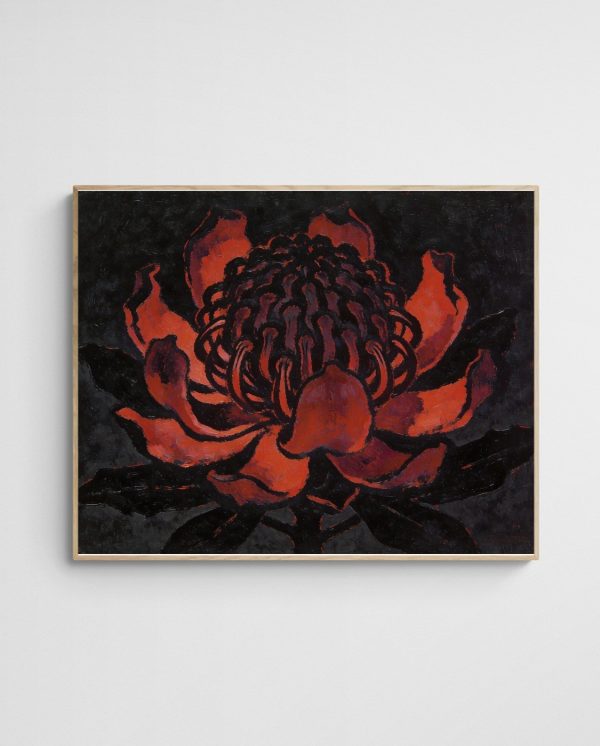

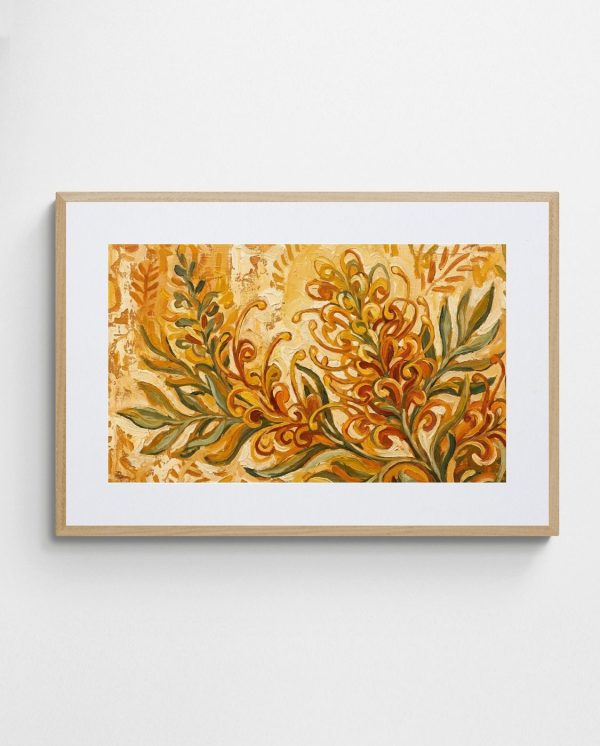
The native flora reimagining also reflects changing relationships with the Australian environment. As ecological awareness increases and native gardening becomes more popular, Australians are developing deeper, more nuanced connections with indigenous plants. Contemporary floral abstraction reflects this shift, treating native species not as exotic curiosities but as familiar, beloved presences in daily life. Works in this botanical genre often grace contemporary homes alongside international design influences, demonstrating that Australian native flora can be both distinctly local and thoroughly modern in aesthetic sensibility.
Expressive Techniques for Organic Forms
Artists reimagining native flora employ diverse techniques to capture organic essence. Some use fluid, watercolour-like approaches that echo the delicacy of blossoms and foliage. Others employ thick impasto or textural techniques that mimic bark, seed pods, and rough plant surfaces. Still others work with negative space and minimalist compositions, allowing plant forms to emerge from abstraction. This technical diversity reflects the extraordinary variety of Australian flora itself, from delicate wildflowers to architectural banksias, from graceful eucalypts to spiky natives adapted to harsh conditions.
The Colour Theory Revolution in Australian Abstract Art
Perhaps nothing signals the reimagining of Australian art more dramatically than the colour revolution occurring in contemporary practice. Traditional Australian landscape painting relied heavily on a restricted palette: the famous “golden tones” of dried grass, the grey-green of eucalyptus, the ochres and siennas of earth and stone. While these colours accurately reflected certain Australian environments, they became synonymous with Australian art itself, as if the entire continent existed within a limited chromatic range.
Contemporary Australian abstract artists are exploding this colour constraint, employing vibrant, unexpected palettes that reflect the true chromatic diversity of Australian environments. The electric blues and turquoises of tropical waters, the vivid pinks and corals of reef systems and native flowers, the deep purples of twilight skies, the brilliant yellows of wattles in bloom—these colours have always existed in the Australian landscape but were marginalised in favour of the dominant dusty palette. By reclaiming this full spectrum, artists are painting a more complete, honest picture of Australian visual experience.
This colour expansion also reflects contemporary colour trends in interior design and cultural aesthetics more broadly. As Australian homes move away from the beige minimalism that dominated the early 2000s toward more expressive, colourful interiors, there’s growing appetite for artwork that embraces bold chromatic choices. Artists are responding by creating pieces that would have been considered “too colourful” or “not Australian enough” a generation ago, but now feel perfectly aligned with contemporary sensibilities.
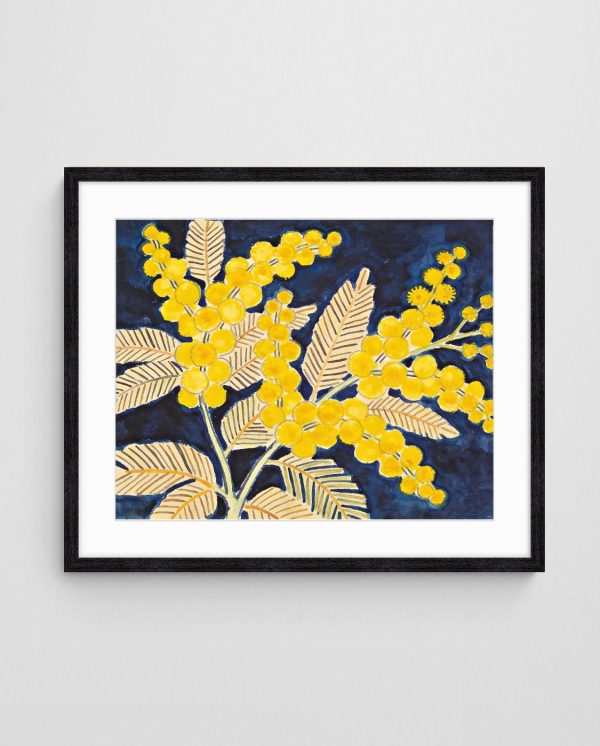


The colour revolution also has important implications for how Australian art functions in diverse spaces. While the traditional ochre palette limited where and how Australian art could be displayed, contemporary colourful abstract work can complement a wide range of interior schemes. This versatility makes reimagined Australian art more accessible and adaptable, allowing it to enter homes, offices, and public spaces that might have rejected traditional bush imagery as stylistically incompatible. Colour becomes a tool for expanding Australian art’s reach and relevance.
Psychological Impact of Expanded Palettes
The psychological dimensions of this colour shift deserve attention. Research consistently demonstrates that colour profoundly affects mood, energy, and emotional wellbeing. The muted, earthy tones of traditional Australian landscape painting, while beautiful, can feel subdued or melancholic. The expanded palette of contemporary Australian abstract art offers more diverse emotional registers—the energising quality of bright yellows, the calming effect of coastal blues, the passionate intensity of coral and crimson. This emotional range allows viewers to select Australian art that aligns with their psychological needs and desired atmospheric effects, making the work more personally meaningful and functionally valuable in domestic settings.
Materiality and Texture: New Approaches to Australian Art
Beyond colour and subject matter, the reimagining of Australian art encompasses significant innovation in materials, techniques, and surface qualities. Traditional Australian landscape painting typically employed conventional oil-on-canvas approaches, resulting in relatively smooth, painterly surfaces. Contemporary Australian abstract artists are exploring far more diverse material practices, creating work with pronounced texture, dimensionality, and tactile appeal.
Techniques such as palette knife application, heavy impasto, collage, mixed media assemblage, and experimental mark-making create surfaces that invite closer inspection and physical engagement. Some artists incorporate sand, earth, ash, or other natural materials directly into their work, creating literal connections to the Australian landscape while moving beyond representational depiction. Others employ printmaking techniques like linocut or lithography, bringing the rich textures and graphic qualities of these media into contemporary Australian art discourse.
This emphasis on materiality and texture reflects broader trends in contemporary art toward physicality and presence in an increasingly digital world. As we spend more time engaging with flat screens and virtual spaces, there’s heightened appreciation for artwork that asserts its physical reality through pronounced surface qualities. Textured works create visual interest that shifts with viewing angle and lighting conditions, offering dynamic viewing experiences that change throughout the day. This quality makes them particularly effective in living spaces where people encounter them repeatedly under varying conditions.


The textural revolution in Australian art also connects to Indigenous artistic traditions, which have long emphasised surface quality, patterning, and tactile elements. While contemporary non-Indigenous artists must be careful to avoid appropriation, there’s genuine potential for intercultural dialogue around materiality and technique. Some contemporary artists are learning from Indigenous approaches to surface treatment, mark-making, and the incorporation of natural materials, creating work that honours these traditions while developing distinct contemporary voices. This exchange, when conducted respectfully and with proper acknowledgment, enriches Australian art as a whole.
The Printmaking Renaissance
Particularly noteworthy is the renaissance of printmaking within contemporary Australian art. Techniques like linocut, woodblock, and screen printing are experiencing renewed interest, partly because they offer accessible entry points for emerging artists, and partly because their distinctive aesthetic qualities align well with contemporary design sensibilities. The bold lines, flattened colour fields, and graphic quality of prints fit seamlessly into modern interiors, while the process-based nature of printmaking appeals to artists interested in craft traditions and material authenticity. This printmaking revival demonstrates that reimagining Australian art doesn’t always mean abandoning traditional techniques—sometimes it means rediscovering and recontextualising historical methods for contemporary purposes.
International Influences Without Cultural Erasure
One of the persistent anxieties around reimagining Australian art concerns the fear of losing distinctly Australian character by embracing international influences. This concern assumes a false dichotomy: that art must be either purely “Australian” (meaning bush-focused and isolated from global trends) or internationally influenced (meaning derivative and culturally inauthentic). The reality, as demonstrated by the most compelling contemporary Australian abstract art, is far more nuanced.
Australian artists have always engaged with international movements—impressionism, modernism, surrealism, and abstract expressionism all found Australian adherents who adapted these styles to local contexts. The current reimagining continues this tradition, with artists drawing inspiration from movements like lyrical abstraction, colour field painting, geometric abstraction, and contemporary mixed media practices. However, rather than simply importing these styles wholesale, Australian artists filter them through distinctly local sensibilities, materials, and subject matter.
The result is a hybrid vigour that strengthens rather than dilutes Australian art. A coastal abstract might employ techniques derived from American colour field painting but apply them to subjects and palettes drawn from the Great Barrier Reef. An urban abstraction might reference European geometric modernism while depicting Melbourne’s distinctive laneway culture. A floral work might use Japanese-influenced composition while featuring unmistakably Australian native plants. These syntheses create art that is both internationally conversant and unmistakably Australian—not despite international influence, but through the creative transformation of diverse sources.
This approach also positions Australian art as an active participant in global contemporary art discourse rather than a peripheral curiosity. According to contemporary art scholars, the most vital art scenes are those that engage productively with international movements while maintaining distinct local characteristics. Australian art is increasingly achieving this balance, creating work that can hang comfortably in international contexts while retaining specifically Australian qualities that mark it as distinctive and valuable.
The Danger of Insularity
It’s worth noting that excessive focus on “authenticity” and rejection of international influences can lead to insularity and creative stagnation. Art movements that become too inward-focused, too protective of perceived purity, tend to ossify and lose relevance. By contrast, traditions that remain permeable to outside influence while maintaining core values tend to remain vital and evolutionary. The reimagining of Australian art represents this healthy permeability, ensuring that Australian artistic traditions remain living, growing entities rather than museum pieces or nationalist fetishes. This openness to influence, far from threatening Australian art, ensures its continued vitality and relevance.
Collecting Reimagined Australian Art
For collectors and art enthusiasts, the reimagining of Australian art presents exciting opportunities and some challenges. Those seeking “typical” Australian art may find the contemporary landscape confusing or disappointing if they’re expecting conventional bush imagery. However, for collectors willing to engage with art on its own terms rather than predetermined expectations, the current moment offers extraordinary richness and diversity.
Contemporary reimagined Australian art offers several advantages for collectors. Stylistically, it tends to be more versatile and adaptable to diverse interior schemes than traditional bush painting. A vibrant coastal abstract or geometric urban composition can complement modern, contemporary, minimalist, or even traditional interiors with appropriate framing and placement. This versatility makes collecting practical as well as aesthetically rewarding, allowing pieces to move with collectors through different homes and evolving design preferences.
Additionally, collecting contemporary Australian art supports living artists and contributes to the ongoing evolution of Australian artistic culture. Unlike collecting historical works, which primarily benefits secondary market dealers and auction houses, purchasing contemporary work directly benefits artists and helps sustain vital creative communities. For many collectors, this sense of active participation in artistic culture adds meaningful dimension to ownership beyond mere decoration or investment.


When selecting reimagined Australian art, collectors should consider several factors. First, personal response matters most—does the work genuinely resonate emotionally and aesthetically? Second, consider how the piece reflects contemporary Australian experience rather than historical mythology. Does it feel current and relevant, or nostalgically backward-looking? Third, assess quality of execution—is the work technically accomplished, thoughtfully composed, and well-crafted? Finally, consider the artist’s broader practice and trajectory. Are they developing a coherent body of work, or producing isolated pieces without consistent vision?
Building a Contemporary Collection
For those building broader collections of reimagined Australian art, several strategies prove effective. Thematic collecting—focusing on coastal works, urban abstractions, or native flora reimaginings—creates coherence while allowing diversity. Alternatively, collectors might focus on particular techniques such as printmaking or mixed media, or support artists from specific regions or communities. Some collectors prioritise emerging artists whose work shows promise but remains accessible price-wise, while others focus on more established contemporary practitioners whose market position is secure. There’s no single correct approach; the key is developing clear collecting criteria that reflect personal values and aesthetic priorities while remaining open to discovery and pleasant surprises.
The Future of Australian Art: Ongoing Evolution
The reimagining of Australian art currently underway is not a completed project but an ongoing evolution. As Australian society continues to change—becoming more urbanised, more environmentally conscious, more culturally diverse, and more globally connected—artistic expression will continue evolving to reflect these shifts. The bush mythology that dominated for so long represented a specific historical moment and set of cultural anxieties; contemporary reimagined Australian art reflects our current moment and concerns.
Looking forward, several trends seem likely to continue shaping Australian art. Environmental themes will probably intensify as climate change impacts become more severe and impossible to ignore. Artists will increasingly engage with ecological questions, documenting threatened landscapes and species, exploring humanity’s relationship with the natural world, and imagining sustainable futures. This environmental focus will go beyond traditional landscape painting to encompass conceptual work, multimedia installations, and activist art practices.
Digital influences will also expand, as artists born into digital culture bring native fluency with technology into their practices. Digital drawing tools, projection mapping, augmented reality, and other technological approaches will increasingly blend with traditional media, creating hybrid works that challenge conventional definitions of painting, printmaking, and sculpture. These technological integrations won’t replace traditional practices but will expand the toolkit available to artists, creating new possibilities for expression and audience engagement.
Finally, intercultural dialogue will likely deepen, as non-Indigenous and Indigenous artists continue finding respectful ways to learn from each other’s traditions while maintaining distinct voices. The history of Aboriginal and Torres Strait Islander art represents Australia’s deepest and most significant artistic tradition; contemporary Australian art can only be enriched by genuine, respectful engagement with these ancient yet continuously evolving practices. This engagement must avoid appropriation and tokenism, instead creating space for authentic collaboration, mutual learning, and shared exploration of what it means to make art on this ancient continent.
Institutional Support and Recognition
The future of reimagined Australian art also depends on institutional support from galleries, museums, educational institutions, and funding bodies. Fortunately, there’s growing recognition among these institutions that Australian art needs to move beyond limiting stereotypes. Major galleries are increasingly featuring contemporary abstract and experimental work alongside historical collections. Art schools are training students in diverse techniques and theoretical frameworks rather than prescriptive national styles. Funding organisations are supporting innovative projects that push boundaries rather than rewarding safe traditionalism. This institutional shift creates infrastructure for continued evolution and experimentation.
Public reception matters as well. As Australian collectors, homeowners, and design professionals embrace more diverse aesthetic possibilities, market demand will continue driving artistic innovation. The growing popularity of abstract and contemporary approaches signals that audiences are ready for Australian art that reflects their actual lives and environments rather than nostalgic fantasies. This receptivity creates space for artists to take creative risks, knowing that audiences exist for challenging, innovative work that doesn’t fit conventional expectations.
Conclusion: Embracing Complexity and Possibility
Moving beyond the bush doesn’t mean abandoning landscape, place, or connection to the Australian environment. It means recognising that Australian landscape encompasses far more than the outback mythology—it includes coastlines and cities, gardens and reefs, deserts and tropical forests. It means acknowledging that Australian identity is complex, multifaceted, and continuously evolving rather than fixed and singular. Most fundamentally, it means trusting Australian artists to define Australian art through their creative practice rather than demanding they conform to inherited expectations and limiting stereotypes.
The reimagined Australian art emerging today is bold, diverse, technically accomplished, and conceptually sophisticated. It engages with international discourse while maintaining distinct local character. It reflects contemporary Australian life rather than historical mythology. It embraces colour, texture, and formal innovation rather than adhering to prescribed palettes and techniques. It positions Australian artists as full participants in global contemporary art rather than peripheral curiosities defined primarily by geography.
For those seeking to engage with this artistic renaissance, the opportunities are abundant. Contemporary reimagined Australian art is more accessible than ever through both physical galleries and online platforms. Whether drawn to coastal abstractions, urban geometrics, native flora reimaginings, or experimental mixed media work, there’s extraordinary diversity available. By supporting contemporary artists and embracing work that challenges conventional expectations, collectors and art enthusiasts participate in the ongoing evolution of Australian artistic culture—helping ensure that Australian art remains vital, relevant, and continually surprising rather than static and predictable.
The bush will always be part of Australian artistic heritage and identity. But it need not be the totality of that identity. By moving beyond this single narrative, Australian art opens to vastly expanded possibilities, creating space for multiple voices, diverse perspectives, and innovative approaches. The result is an artistic culture richer, more inclusive, and more representative of Australian experience in all its complexity. This is not the abandonment of Australian art but its fulfillment—the realisation of its full potential beyond narrow constraints and limiting expectations.


 | Joseph Russell Joseph is an Australian abstract artists and curator of the Inomaly art collection. |