
Blank walls make a room feel unfinished, yet most people assume good art demands a big spend. It doesn’t. With a clear plan, you can fill your walls with striking art on a budget and still end up with a home that looks considered and personal.
The short answer: set a firm budget, measure your walls, choose one colour palette, buy affordable prints rather than originals, and frame them well. Most rooms look polished with three to five pieces, and quality prints start around $58. The steps below walk you through the whole process.
Step 1: Set a Realistic Budget and Plan Your Walls
Start with a number. Decide what you can spend across the whole room, including frames, and divide it by the pieces you need. A living room with a total of $400, for example, comfortably covers three prints and basic frames.
Next, measure your wall space. A common mistake is buying art that is too small, which looks lost and makes a space feel cheap. As a guide, aim for artwork covering roughly two-thirds of the width of the furniture beneath it. Our guide to large art prints that actually fit your walls explains sizing in more detail.
Prioritise the walls that matter most
You don’t need to dress every wall at once. Focus first on the spaces people see most: the wall behind your sofa or bed, the entry or hallway, the wall facing your dining table, or a home office backdrop used for video calls. Your first purchase delivers the biggest visual return, so smaller rooms can wait until funds allow.
Step 2: Choose a Colour Palette and Style
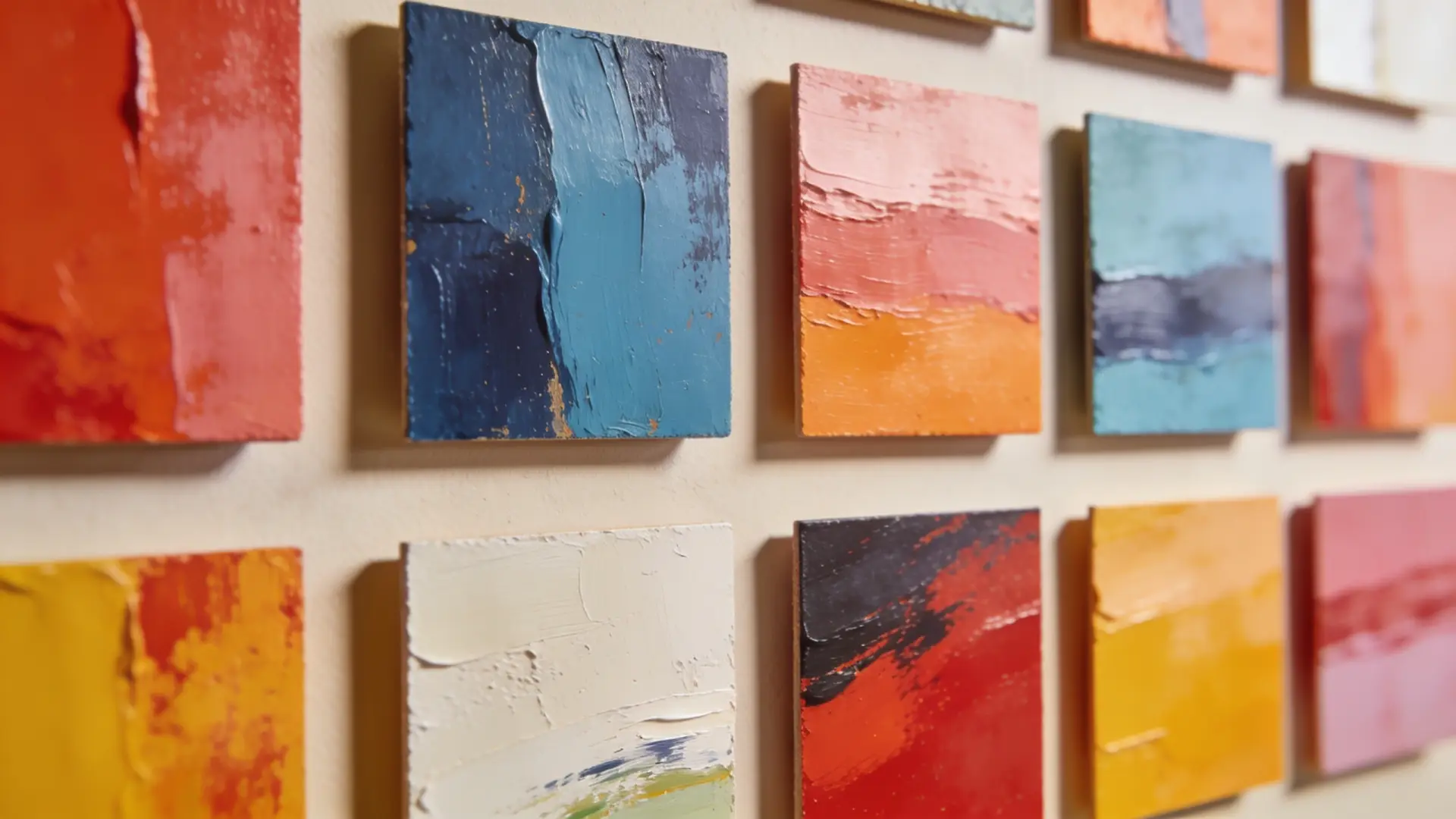
Cohesion is what makes affordable pieces look expensive. Pull two or three colours from your existing cushions, rugs or curtains, then select art that echoes them. Our guide to artwork and room colour matching shows how to do this without a designer.
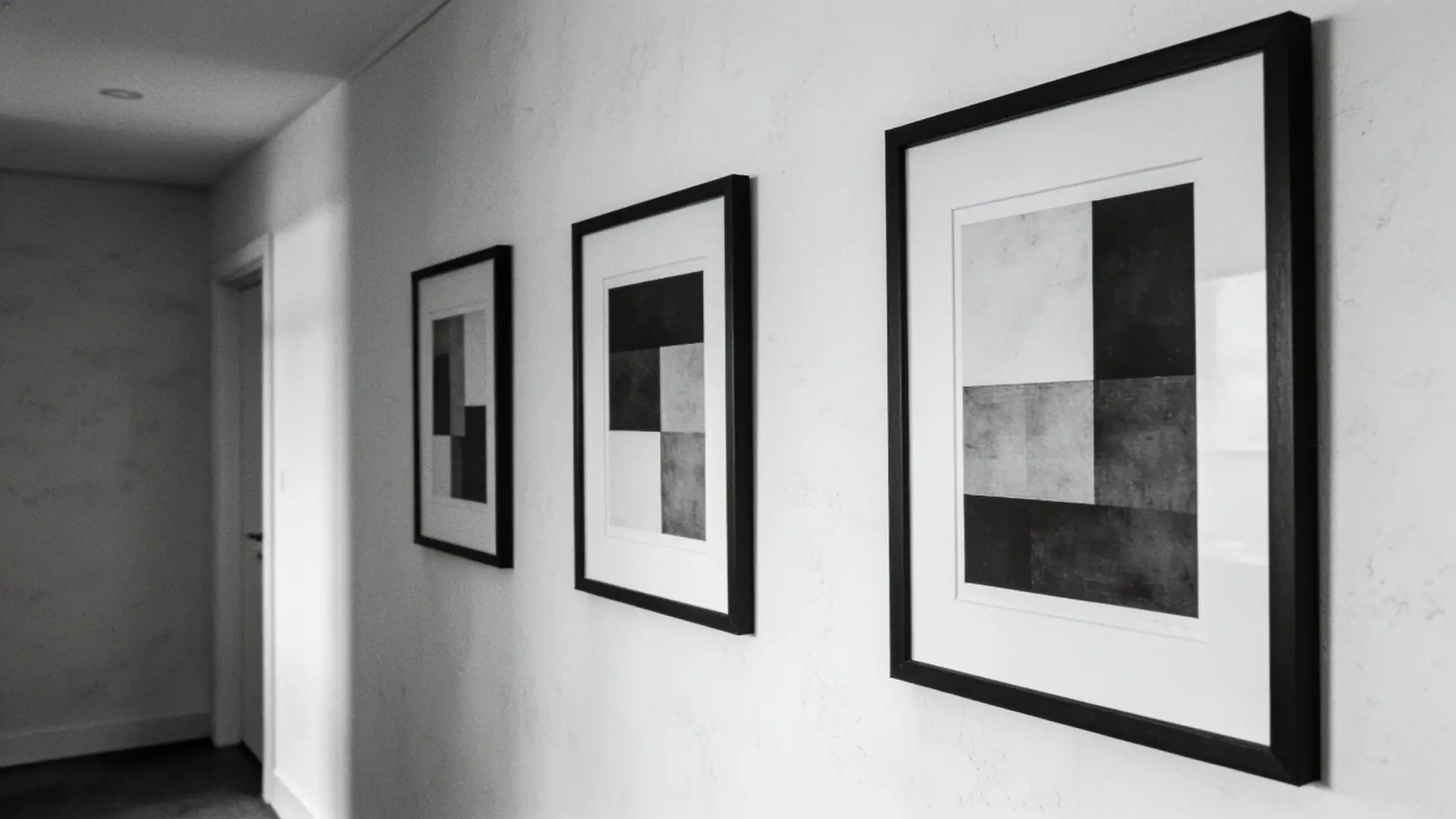
If your room is warm and earthy, a piece like the “Hot Summer Flowers – Bold and Warm Floral Abstract Wall Art Print” adds energy while staying within a warm palette. Meanwhile, “Grey Geometric Abstract Artwork – Geo Contrast 2” suits cooler, neutral rooms where you want structure rather than colour.


Match the style to the room
Abstract work is forgiving on a budget because it doesn’t rely on realistic detail and pairs easily with mixed furniture. If you’re new to the genre, our ultimate guide to abstract art for beginners is a helpful starting point. Alternatively, lean on a single theme—coastal, botanical or geometric prints each create a clear mood and narrow your choices, which stops impulse buying.
Step 3: Buy Smart with Affordable Prints
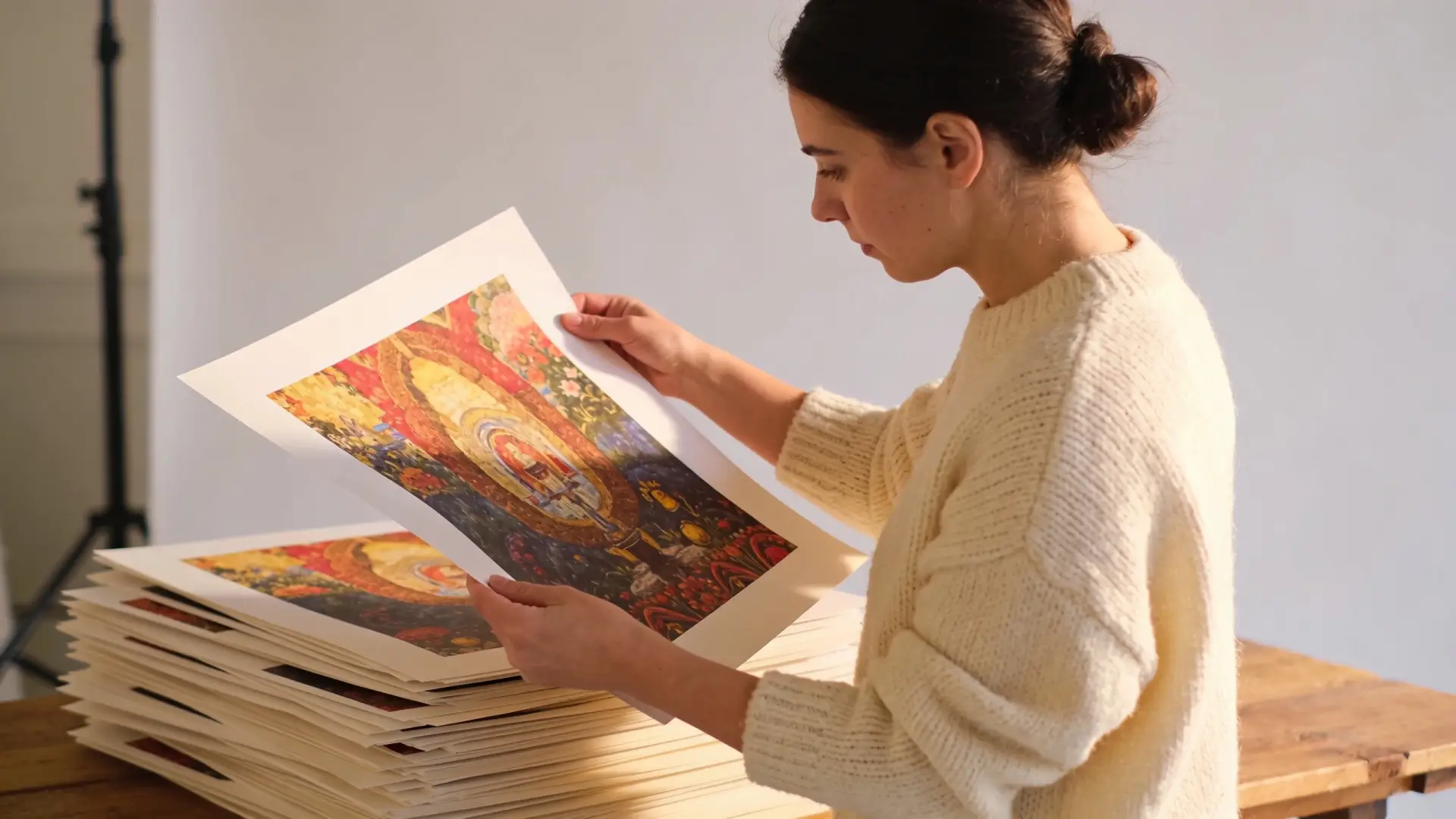
Original paintings can cost thousands. By contrast, a quality giclée print delivers the same visual impact for a fraction of the price. Browse the full range of abstract art prints to compare styles and sizes before you commit.
What to look for when buying
Not all prints are equal. Check these points before you buy:
- Print quality: look for archival inks and heavyweight paper.
- Artist attribution: prints from a named artist hold their appeal longer.
- Size options: a flexible size range lets you scale up later.
- Local production: Australian printing usually means faster delivery and fewer surprises.
Spending $58 on a well-made print beats spending $30 on a poster that fades within a year. For Australian character, “Sea of Life – Abstract Coastal Wall Art Print” brings relaxed beach tones to a lounge or hallway at an accessible price. Likewise, “Vintage Gum Leaves Eucalyptus Art Print” delivers native charm for those who love botanical themes. Our tips on refreshing your walls, not your budget offer more ways to stretch your spending.


Step 4: Frame and Hang Without Overspending
Framing is where budgets quietly blow out. Custom framing can cost more than the print itself. Instead, buy ready-made frames in standard sizes and choose prints that match those dimensions.
Budget framing tips
- Use simple black, white or timber frames for a consistent look.
- Add a mat (mount) to make a smaller print feel substantial.
- Check second-hand shops and online marketplaces for quality frames.
- Repaint old frames in one colour to unify mismatched pieces.
Read our guide to framing and hanging giclée prints for specific measurements and fixings. Hanging height matters too: place the centre of the artwork at about 145 cm from the floor, which is the standard gallery eye level.
Try a gallery wall
A gallery wall lets you combine several small, inexpensive pieces into one bold feature. Lay your frames on the floor first, then trace them onto paper and tape the templates to the wall. This lets you adjust the layout before you drill a single hole. For more layouts, see how to turn blank hallways into gallery walls.
If you want to mix several moods in one arrangement, “Colour Patch 2 – Colourful Geometric Abstract Print” gives a playful pop of colour. Pair it with “Crossing Paths 5”, a minimalist line piece that keeps the grouping from feeling busy.

Step 5: Build Your Collection Over Time
A good collection grows gradually. Buy one piece you truly love each season, rather than filling every wall in a rush. Rooms styled slowly tend to feel more personal and less like a showroom.
The Build Your Art Wall tool helps you plan a cohesive set before you buy. You can also book the free room design service if you want a second opinion on colours and placement.
Rotate rather than replace
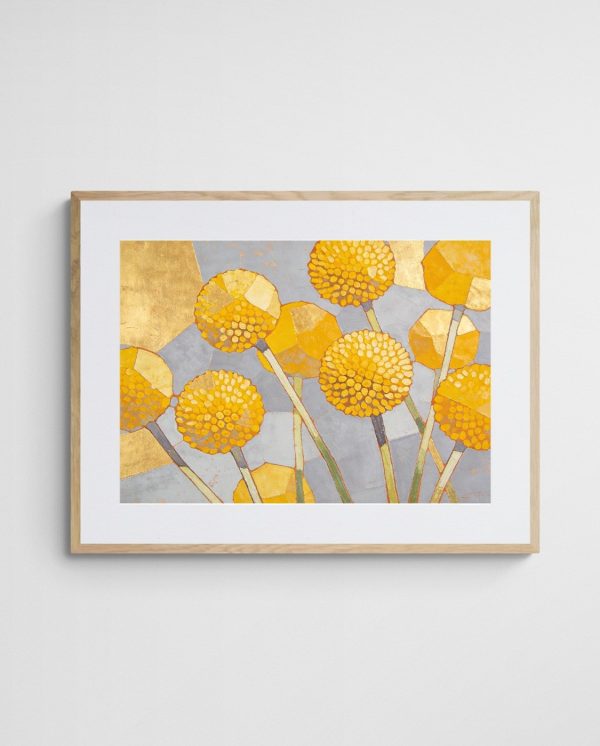
Rotating pieces between rooms costs nothing and keeps your home feeling fresh. A print that felt too bold in the lounge may suit a study perfectly. You get new looks without new spending. Look for pieces with lasting appeal: native florals suit this approach well, and “Golden Billy Buttons – Playful Abstract Floral Print – Australian Botanical Wall Art” is a cheerful example that works across seasons. Similarly, “Hillside Reverie – Poinciana Tree Abstract Australian Art Print” offers a landscape that grows on you over time. Learn more about the inspiration behind these works in native Australian flora inspiring modern abstract art.
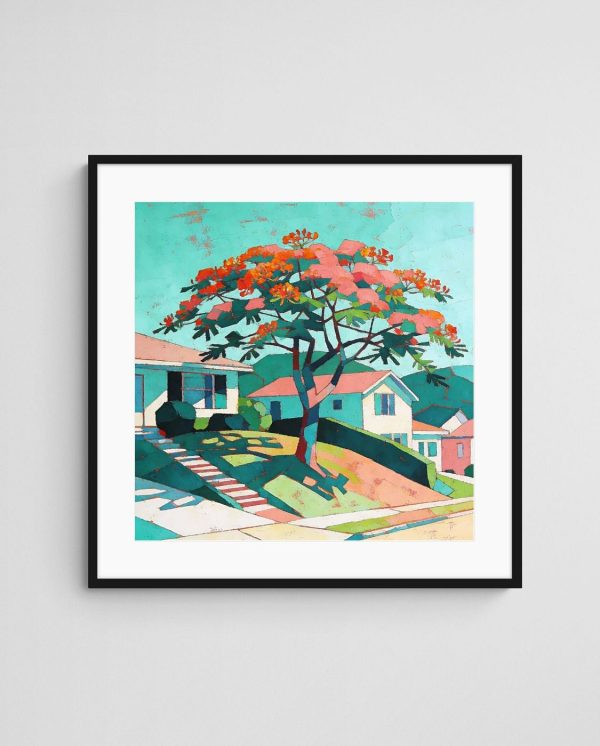
The giclée printing process explains why these prints hold colour so well. Measure one wall this weekend, set your budget, and choose a single print to start with—strong art on a modest budget is entirely achievable when you plan each purchase.
Frequently Asked Questions
How much should I spend on wall art?
A practical range is $150 to $500 per room, including frames. Spend more on the focal wall and less on secondary spaces. Quality prints from around $58 make this very achievable.
Are art prints worth buying instead of originals?
Yes, for most homes. Archival giclée prints reproduce colour and detail faithfully at a fraction of an original’s cost. They also let you change your decor easily as your tastes evolve.
What size art suits a wall above a sofa?
Aim for artwork about two-thirds the width of the sofa. Hang it 15 to 25 cm above the backrest so it feels connected to the furniture.
How can I make cheap frames look expensive?
Add a wide white mat, keep all frames in one finish, and hang them with even spacing. Consistency matters more than the frame’s price tag.
 | Joseph Russell Joseph is an Australian abstract artists and curator of the Inomaly art collection. |