
The startup landscape has fundamentally shifted. Gone are the days when a fledgling company could succeed in a bland, characterless office space. Today’s competitive environment demands more than functionality—it requires environments that inspire innovation, attract top talent, and communicate brand values the moment someone walks through the door. Abstract art isn’t just decoration for startups; it’s a strategic investment that shapes culture, enhances productivity, and signals that your company is built for the future. The question isn’t whether your startup needs art on the walls, but rather how quickly you can implement it before your competitors do.
Startup offices need abstract art now because it creates immediate psychological impact, differentiates your brand in crowded markets, and directly influences employee creativity and retention. In practice, the right abstract pieces establish an innovative atmosphere that prospective investors and talent notice within seconds of entering your space. Moreover, abstract art offers flexibility that literal imagery cannot—it evolves with your company’s identity whilst maintaining visual coherence. The startups that recognise this advantage early position themselves ahead of those still operating in sterile, uninspiring environments.
First Impressions Define Everything
When investors, potential partners, or prospective employees step into your startup office, they form judgements within three seconds. Those initial moments determine whether they see a company worth their time, money, or career. Bare walls communicate financial instability or lack of vision. Generic corporate landscapes suggest a company that follows rather than leads. Abstract art, however, signals intentionality, creativity, and confidence—precisely the qualities that distinguish successful startups from those that never scale.
Consider the stark difference between a reception area adorned with carefully selected geometric abstracts versus one with nothing but a logo on white walls. The former immediately communicates that this company values design thinking and invests in its environment. The latter raises questions about whether the founders understand the importance of holistic brand experience. As discussed in our analysis of reception area impact, these visual cues operate subconsciously but powerfully, creating associations that persist throughout subsequent interactions.
The “Profile Geometric Abstract Portrait” brings an element of human connection to office spaces whilst maintaining the professional edge that startups require. Its bold geometric interpretation of the human form sparks conversation and adds personality without becoming overly casual. This type of piece works particularly well in meeting rooms where you want to foster connection whilst maintaining creative energy.


Furthermore, abstract art offers a sophisticated solution to a common startup problem: maintaining visual interest without alienating diverse audiences. Unlike political imagery, religious symbolism, or culturally specific references, abstraction provides universal appeal whilst allowing individual interpretation. This flexibility proves invaluable when your client base spans multiple industries, cultures, and demographics.
The Talent Acquisition Advantage
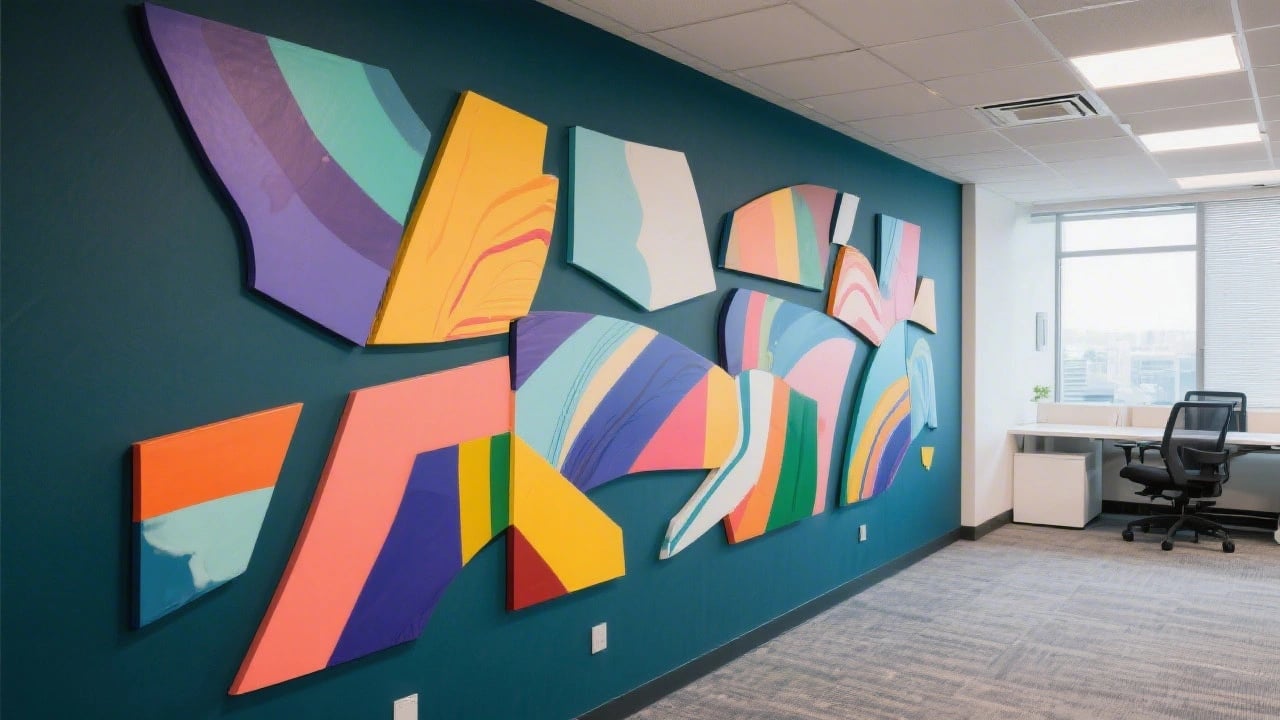
The war for talent has intensified exponentially. Skilled professionals now evaluate potential employers with the same scrutiny companies once reserved for executive hires. They research your office environment before interviews, assess your commitment to culture during site visits, and compare your workspace against competitors. A thoughtfully curated art collection signals that your startup understands employee experience matters—and that you’re willing to invest in creating an environment where people want to spend their working hours.
Research from environmental psychology demonstrates that workplace aesthetics directly influence job satisfaction and retention. Professionals increasingly prioritise work environment over marginal salary differences, particularly in creative and technical fields where startups compete for talent. An office featuring considered abstract art selections demonstrates that leadership values the holistic employee experience, not just productivity metrics. This distinction becomes especially crucial when competing against established companies with superior compensation packages.
The most innovative companies recognise that creativity doesn’t emerge from sterile environments—it requires visual stimulation, colour, and forms that challenge conventional thinking.
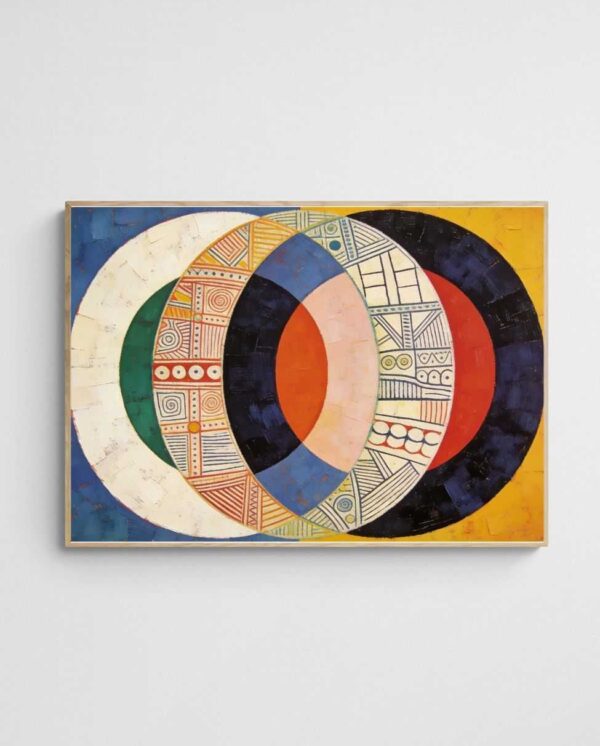
During recruitment interviews, candidates subconsciously assess whether your environment matches their professional identity. A developer who sees themselves as innovative and forward-thinking won’t feel aligned with an office that looks like it hasn’t been updated since 2005. Conversely, abstract pieces that demonstrate contemporary design sensibility reassure candidates that your company operates at the cutting edge. The “New Wave – Abstract Art Print for Home or Office” exemplifies this principle perfectly, combining vibrant geometric patterns with coastal influences that feel both professional and energising. It’s the type of piece that makes candidates envision themselves thriving in your space.


Creating Memorable Interview Experiences
Candidates typically interview at multiple companies simultaneously. The organisations they remember most favourably aren’t necessarily those with the highest salaries—they’re the ones that created distinctive, positive experiences. Abstract art contributes directly to this memorability by providing visual anchors for memory formation. When candidates reflect on their interview experience, they’ll recall “the company with the amazing geometric art in the conference room” far more easily than “the company with the generic office space.”
Additionally, art selections provide natural conversation starters that ease interview tension and reveal cultural fit. When a piece sparks organic discussion, you gain insights into how candidates think, what they notice, and whether they’ll mesh with your existing team. These unscripted moments often prove more revealing than scripted interview questions. For inspiration on creating these conversation-worthy spaces, explore strategies for transforming blank office walls that generate genuine engagement.
Creativity and Productivity Aren’t Accidental
Startup success hinges on innovation—the ability to identify problems others miss and devise solutions that disrupt established markets. This creativity doesn’t materialise in environments that suppress it. Neuroscience research indicates that visual stimulation activates different neural pathways than those engaged by routine work tasks. Abstract art specifically stimulates the brain’s pattern-recognition systems, encouraging the non-linear thinking that generates breakthrough ideas.
The practical impact manifests in unexpected ways. Teams brainstorming in rooms featuring dynamic abstract compositions generate more diverse solution sets than those in blank rooms. The visual complexity primes brains for complex thinking. Colour psychology further amplifies these effects—warm tones energise, cool tones calm, and strategic combinations create environments optimised for specific work modes. For deeper understanding of these principles, review current research on art selections that boost productivity.
Beyond creativity, abstract art addresses a critical startup challenge: maintaining energy during the inevitable difficult periods. When development timelines extend, funding rounds stall, or pivots become necessary, environmental factors significantly influence team morale. A visually engaging workspace provides psychological refuge during stressful periods, offering momentary mental respite that prevents burnout. This isn’t frivolous—it’s strategic investment in sustainable performance.
Optimising Different Work Zones
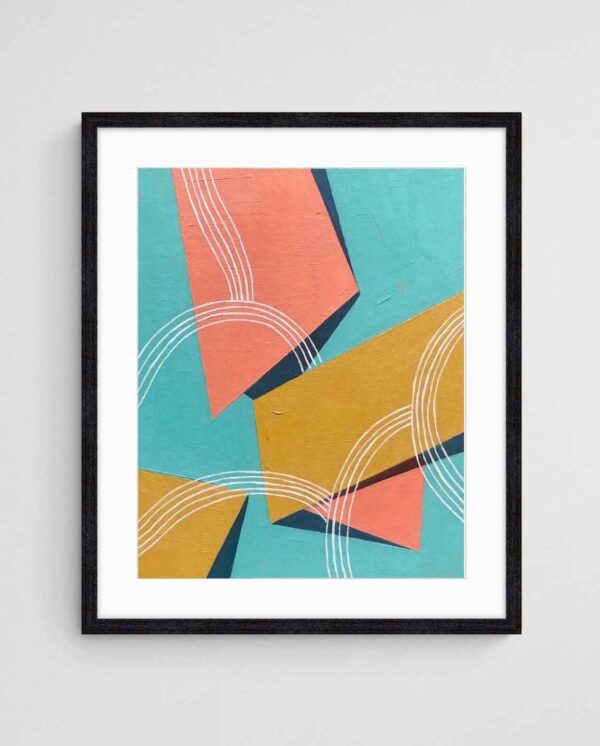
Not all office areas serve identical functions, and art selections should reflect these distinctions. Collaborative spaces benefit from energetic, colourful pieces that stimulate discussion and creative thinking. The “Colour Patch 2 – Colourful Geometric Abstract Print” exemplifies this approach, using bold colour blocking that invigorates without overwhelming. Meanwhile, focus zones require more subdued selections that calm rather than excite, supporting deep concentration.


Break areas present opportunities for pieces that refresh perspective and encourage mental recovery. Abstract landscapes work particularly well here, providing visual escape without the literal imagery that might feel incongruous in professional settings. Conference rooms demand pieces that command attention without distracting from presentations—typically larger-scale works with strong compositions but restrained colour palettes.
Abstract Art as Brand Identity
Your startup’s brand extends far beyond logos and colour schemes. It encompasses every touchpoint stakeholders encounter, and your physical environment ranks among the most influential. Abstract art provides a sophisticated mechanism for communicating brand values non-verbally. A fintech startup might select precise geometric compositions that convey accuracy and innovation. A creative agency could choose expressive, fluid pieces that signal imagination and flexibility. The art you display tells your brand story whether you intend it to or not.
This visual communication operates particularly effectively because it bypasses linguistic and cultural barriers. International clients, partners, and employees all interpret abstract visual language, even when verbal communication proves challenging. Moreover, abstract selections avoid the dated feeling that literal imagery often acquires. A photograph of technology looks obsolete within five years; a well-chosen abstract piece remains relevant indefinitely.
Abstract art allows startups to project sophistication and established presence even when the company itself is just beginning its journey.
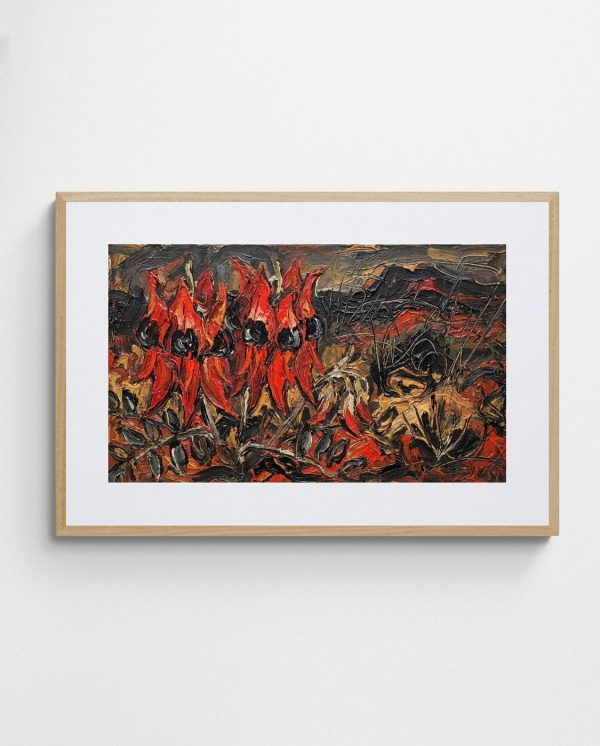
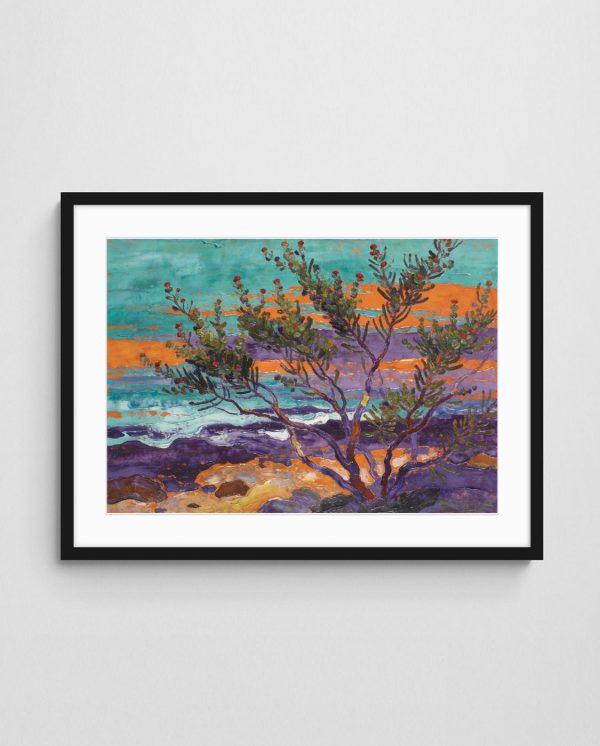
The “Coastal Scrub – Australian Abstract Art Print Landscape” demonstrates how abstract interpretations can anchor brand identity in place and culture without resorting to clichéd imagery. For Australian startups, pieces that reference local landscapes through abstraction create subtle national identity without the heaviness of literal representations. This approach particularly resonates when building domestic brand recognition whilst maintaining global appeal.


Consistency Across Multiple Locations
As startups scale and open additional offices, maintaining brand consistency becomes exponentially more challenging. Abstract art collections offer a practical solution. By establishing a defined aesthetic approach—whether geometric minimalism, expressive colour-field compositions, or layered mixed-media pieces—you create visual continuity across locations without requiring identical pieces. This flexibility proves impossible with literal imagery, which often reads differently across cultural contexts.
Furthermore, a cohesive art programme reinforces organisational culture as teams expand. New employees at satellite offices immediately recognise they’re part of the same company culture as headquarters. This subtle but powerful visual language helps maintain unity as organisational complexity increases. For guidance on developing these cohesive visual strategies, explore techniques for creating visual interest that scales across multiple spaces.
The Investment Perspective
Sceptical founders often view art as discretionary spending—something to consider after achieving profitability. This perspective fundamentally misunderstands both the timeline and the returns. The impact of thoughtful office design manifests immediately, influencing the very outcomes that determine whether profitability ever arrives. Investors increasingly evaluate startups holistically, and founders who’ve invested in creating professional, distinctive environments signal sophistication that founders operating from generic spaces simply cannot match.
The financial commitment proves far more accessible than many founders assume. Quality abstract prints deliver dramatic visual impact at price points that represent tiny fractions of typical startup expenditures. Consider that a single enterprise software licence often exceeds the cost of outfitting an entire office with museum-quality prints. Yet the latter provides continuous benefit to every person who enters your space, whilst the former serves limited team members. From a cost-benefit perspective, few startup investments deliver comparable returns across such diverse metrics.
Additionally, art represents one of the few startup expenditures that retains tangible value. Office furniture depreciates rapidly, technology becomes obsolete, and marketing spend vanishes entirely. Quality art maintains and often appreciates in value, providing asset flexibility should circumstances require. This financial characteristic distinguishes art from virtually every other category of startup spending, making it simultaneously strategic and prudent.
The True Cost of Blank Walls
What founders perceive as saving money by leaving walls bare actually incurs substantial hidden costs. Every prospective employee who chooses a competitor partly based on environment represents lost productivity and institutional knowledge. Every investor who subconsciously downgrades your company after visiting an uninspiring office potentially costs millions in valuation. Every client who questions your professionalism based on your space might represent recurring revenue that goes elsewhere. These opportunity costs dramatically exceed the modest investment required for quality abstract art.
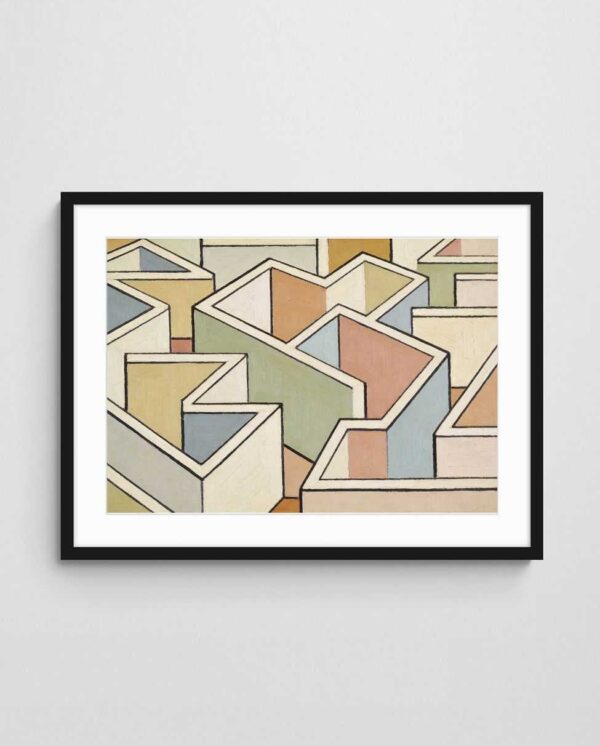
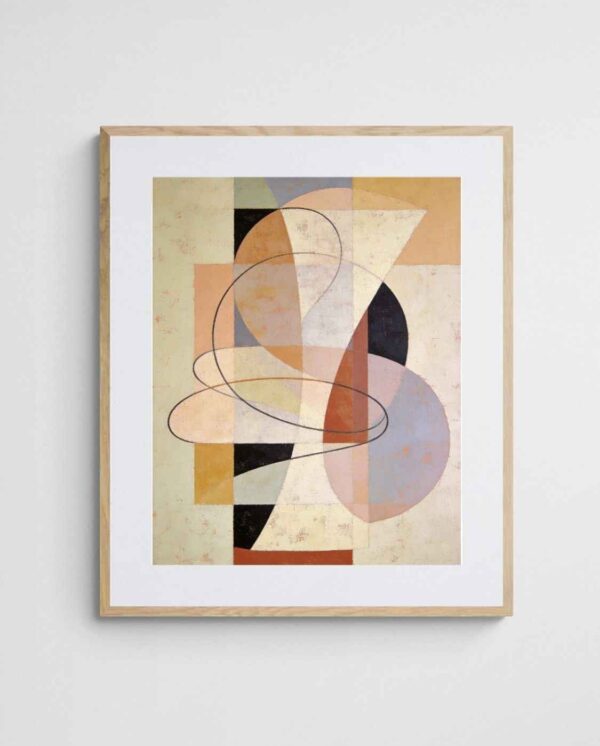
Moreover, remedying poor initial impressions proves exponentially more difficult than creating positive ones from the start. Once stakeholders categorise your startup as “not quite there yet” based on your environment, changing that perception requires substantial contradictory evidence. The “Pastel Maze – Geometric Abstract Art Print with Neutral Tones” represents exactly the type of sophisticated, affordable piece that prevents these negative first impressions whilst providing the professional polish that stakeholders expect from serious companies.
Practical Implementation Strategies
Understanding why startups need abstract art differs from knowing how to implement it effectively. The process needn’t overwhelm founders already managing countless priorities. Start by identifying your highest-impact spaces—reception areas, main conference rooms, and primary work zones. These locations deliver maximum return because they’re experienced by the broadest audiences. Attempting to art-direct your entire office simultaneously creates unnecessary complexity and dilutes focus.
When selecting pieces, resist the temptation to choose based solely on personal preference. Your office serves strategic functions that your home does not. Consider your brand positioning, your target audiences, and the psychological states you want to foster in different zones. A founder might personally love dark, moody abstracts, but if your startup sells cheerful consumer products, those selections create cognitive dissonance. For comprehensive guidance on making these strategic choices, consult frameworks for transforming spaces with abstract art that align aesthetic and functional goals.
Budget allocation should follow the 80/20 principle. Invest more substantially in a few statement pieces for high-traffic areas rather than distributing equal amounts across every wall. The “Grey Geometric Abstract Artwork – Geo Contrast 2” exemplifies the type of commanding piece that transforms entire spaces, making it worthy of featured placement in reception or main conference areas. Complement these anchors with more modest pieces that maintain visual interest without competing for attention.
Avoiding Common Mistakes
Several implementation pitfalls repeatedly trap startups despite being easily avoidable. First, selecting pieces that are too small for their spaces—a mistake that makes environments feel underconsidered rather than intentionally minimalist. As a general rule, art should occupy roughly two-thirds to three-quarters of the wall width it occupies. Second, hanging everything at identical heights creates monotony rather than cohesion. Vary heights slightly whilst maintaining visual flow.
Third, attempting to match colours too precisely creates contrived results that feel corporate rather than curated. Abstract art should complement your colour palette without slavishly reproducing it. Fourth, neglecting lighting renders even exceptional pieces invisible. Ensure adequate illumination, whether through natural light optimisation or strategic artificial lighting. These technical considerations dramatically influence whether your investment achieves its intended impact.
Many Australian startups discover that working with curated collections simplifies these decisions considerably. Services like professionally curated abstract art collections eliminate guesswork by presenting pre-selected pieces that work cohesively whilst maintaining individual distinction. This approach proves particularly valuable for founders without design backgrounds who recognise art’s importance but lack confidence in their selection abilities.
Scaling Your Collection
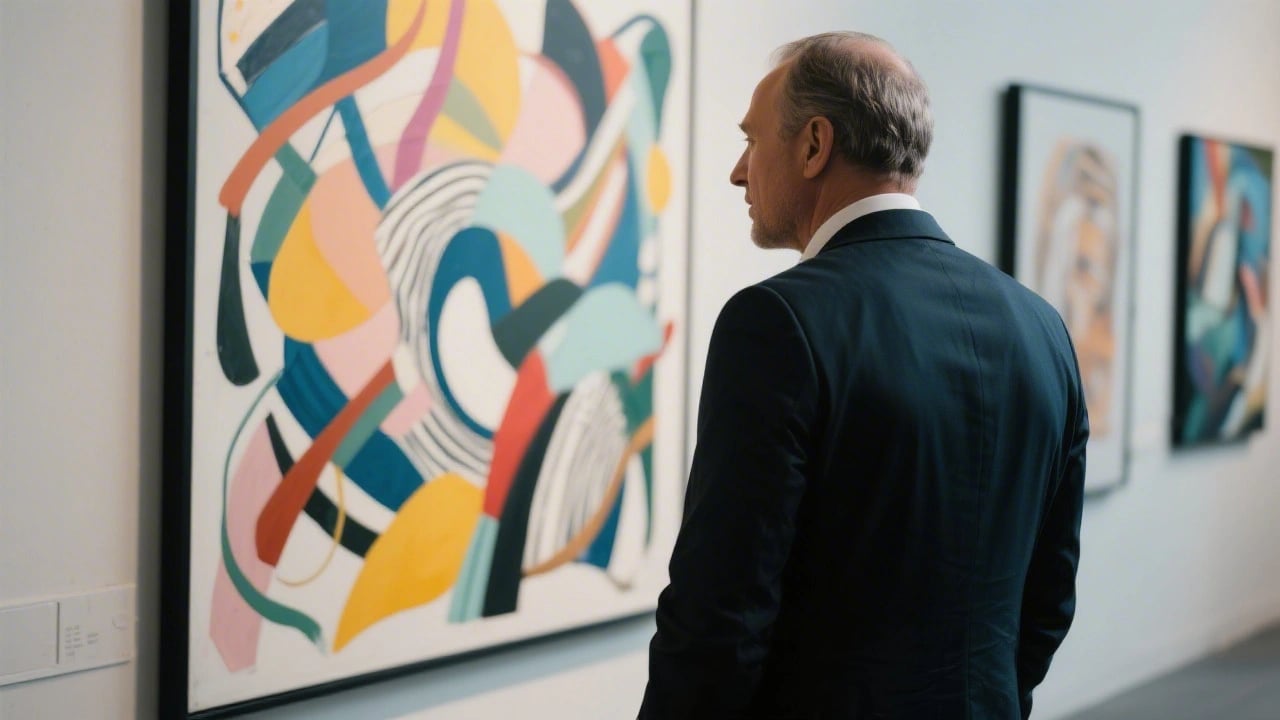
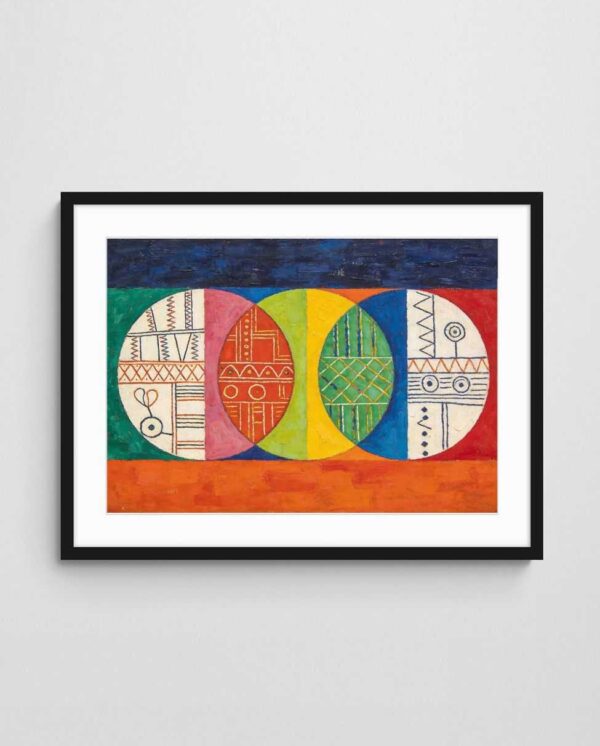
As your startup grows, your art programme should evolve correspondingly. Establish a consistent acquisition approach that allows organic expansion without requiring complete redesigns. This might mean committing to a specific style movement, colour temperature range, or thematic approach. The “Deep in Conversation – Abstract Expressionist Art Print” demonstrates how pieces within defined aesthetic parameters maintain coherence whilst offering variety.


Consider involving team members in selection processes as the company matures. This democratic approach fosters ownership and ensures diverse perspectives shape your environment. However, maintain curatorial standards—not every suggestion will align with your strategic goals. The balance between inclusive culture and aesthetic coherence requires thoughtful navigation but pays dividends in employee engagement when executed well.
Finally, view your art programme as living and evolving. Rotate pieces between locations, acquire new works as budget permits, and retire pieces that no longer serve your brand evolution. This dynamism keeps environments fresh and signals a company that continuously refines and improves. According to research on workplace design’s impact on culture, environments that change subtly over time maintain engagement far more effectively than static spaces.
Making It Happen Now
The optimal time to implement abstract art in your startup office was yesterday. The second-best time is today. Every day operating in an uninspiring environment represents lost opportunity—diminished creativity, reduced talent attraction, and weakened brand perception. The barriers to entry remain remarkably low: quality abstract prints are affordable, installation is straightforward, and the impact materialises immediately.
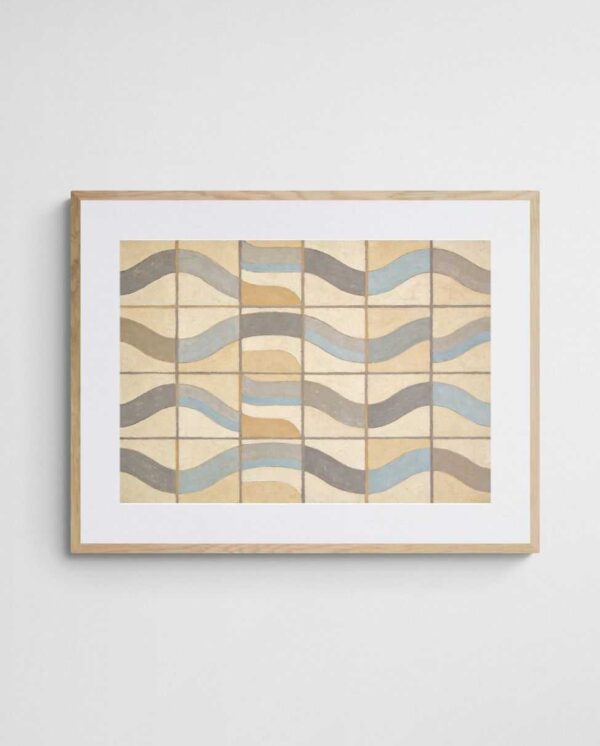
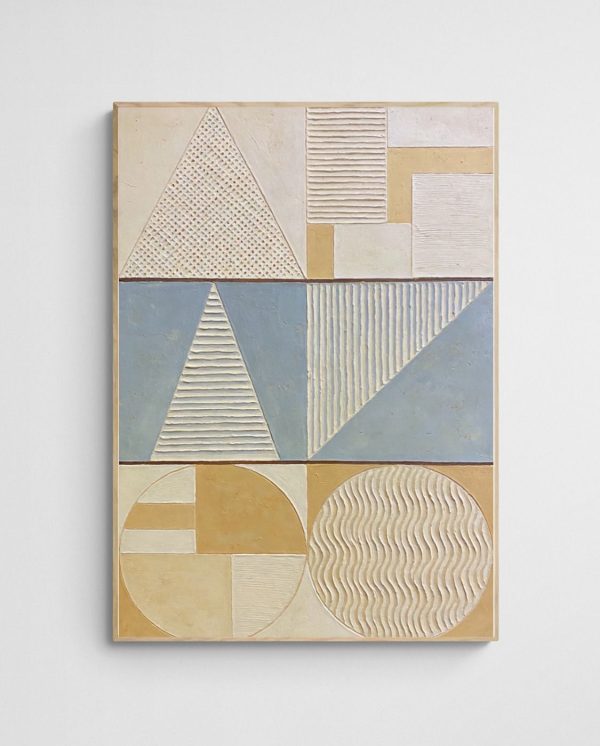
Begin with a single high-impact piece for your reception area. Experience firsthand how it transforms stakeholder reactions and team morale. That initial success will justify subsequent acquisitions more convincingly than any article ever could. The “Gridwave – Neutral Coastal Geometric Abstract Print” offers an accessible starting point—sophisticated enough to impress whilst priced appropriately for early-stage budgets. From that foundation, build systematically towards the comprehensive environment your startup deserves.
The startups that recognise abstract art’s strategic value now will establish environments that accelerate growth, attract superior talent, and communicate brand sophistication that competitors cannot match. Meanwhile, those that dismiss it as frivolous will continue wondering why equally funded competitors secure better investment terms, recruit stronger teams, and achieve superior brand recognition. The choice, ultimately, is yours—but the evidence overwhelmingly favours action. Your walls are speaking whether you curate what they say or not. Abstract art ensures they’re saying something worth hearing.
 | Joseph Russell Joseph is an Australian abstract artists and curator of the Inomaly art collection. |