
Understanding how to identify different abstract styles is essential for anyone looking to build a meaningful art collection or enhance their living space with visual impact. Abstract art encompasses an incredibly diverse range of movements, techniques, and aesthetic philosophies, each with distinctive visual markers that set them apart. Whether you’re drawn to the bold geometry of Constructivism or the emotional spontaneity of Abstract Expressionism, learning to recognise these styles transforms how you experience and select artwork. This comprehensive guide will equip you with the knowledge to confidently distinguish between major abstract movements and make informed choices when curating your walls.
The ability to identify abstract styles relies on recognising key visual elements including colour palette, composition structure, brushwork technique, and the underlying philosophy that drives each movement. Geometric abstracts feature clean lines, precise shapes, and mathematical harmony, whilst gestural abstracts emphasise spontaneous brushstrokes and emotional energy. Minimalist works strip away excess to focus on essential forms and limited colour, whereas colourful expressionist pieces celebrate vibrancy and movement. By examining these fundamental characteristics—shape language, colour theory, mark-making, and spatial relationships—you can decode the visual vocabulary of any abstract artwork and understand its stylistic lineage.
Geometric Abstraction: Precision and Order
Geometric abstraction is characterised by the use of precise shapes, clean lines, and mathematical relationships between forms. This style emerged from movements like Constructivism, De Stijl, and Bauhaus, emphasising rationality and universal visual language. When examining a piece, look for circles, squares, triangles, and other defined shapes arranged in deliberate compositions. The colour palette often features primary colours alongside neutrals, though contemporary geometric works embrace broader spectrums.
The hallmark of geometric abstraction lies in its intentionality—every element appears purposefully placed rather than spontaneous. Edges are typically crisp and well-defined, creating clear boundaries between colour zones and shapes. Additionally, geometric works frequently explore rhythm through repetition, creating visual patterns that guide the eye across the canvas. Works like “Waves of Harmony – Coastal Geometric Abstract Art Print” demonstrate how geometric principles can incorporate organic themes whilst maintaining structured composition, blending coastal inspiration with angular precision.
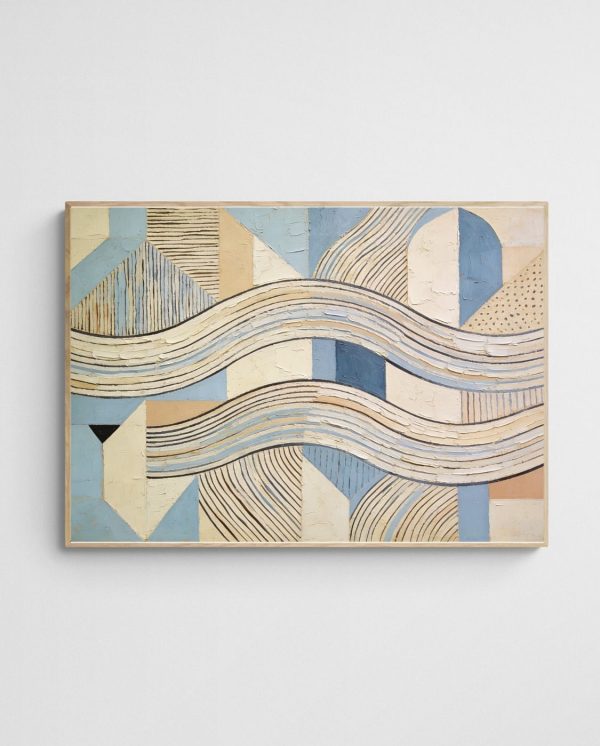
Contemporary geometric abstraction has evolved to incorporate softer geometries and more complex layering systems. Artists now blend hard-edge techniques with subtle gradients and overlapping forms, creating depth whilst maintaining the style’s fundamental structure. When identifying geometric abstraction, examine whether the composition follows a grid system or mathematical proportion, and notice how positive and negative space interact to create balance.
Gestural and Abstract Expressionism: Emotion in Motion
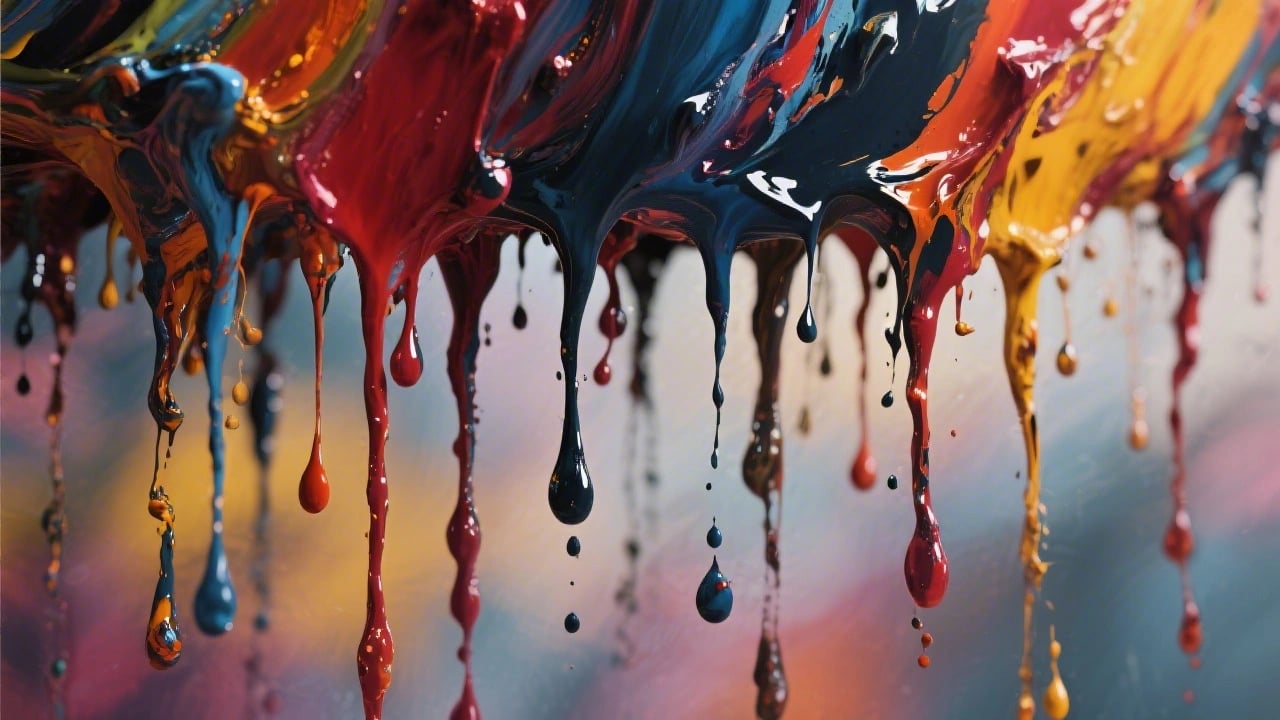
Gestural abstraction and Abstract Expressionism prioritise the physical act of painting and the emotional energy conveyed through brushwork. This style celebrates spontaneity, with visible brushstrokes, drips, splatters, and energetic mark-making that reveals the artist’s hand and movement. The compositions often appear improvised, though they may result from considered processes of layering and refinement.
To identify gestural abstraction, look for dynamic movement across the canvas, with brushstrokes that vary in thickness, direction, and intensity. The colour application tends to be more fluid and organic compared to geometric styles, with colours bleeding into one another or creating textured surfaces through impasto techniques. Moreover, there’s often a sense of rhythm and tempo—fast, aggressive marks contrasting with slower, more contemplative passages.
The emotional content in gestural works is paramount, with the artwork serving as a visual record of the artist’s psychological state during creation. Tension, harmony, chaos, and calm all find expression through the quality of marks and colour relationships. This style connects deeply with viewers seeking artwork that resonates on an emotional level, making it ideal for spaces where you want to create atmosphere and mood. For those interested in exploring broader emotional landscapes in abstract art, our guide to lyrical abstraction offers valuable insights into related expressive movements.
Minimalist Abstraction: Less is More
Minimalist abstraction strips away all non-essential elements, focusing attention on pure form, colour, and spatial relationships. This style emerged in the 1960s as a reaction against the emotional intensity of Abstract Expressionism, favouring objectivity, simplicity, and restraint. When identifying minimalist works, look for limited colour palettes—often monochromatic or using only two to three colours—and compositions that emphasise emptiness and negative space.
The power of minimalist abstraction lies in its ability to create impact through reduction rather than addition. Simple geometric shapes, subtle tonal variations, and careful attention to proportion define this approach. The “Turtle Mountain” print exemplifies minimalist principles with its restrained palette and clean geometric forms that create visual interest through simplicity rather than complexity.

Minimalist works often explore the relationship between the artwork and its surrounding space, with the wall itself becoming part of the composition. Consequently, these pieces work exceptionally well in contemporary interiors where clean lines and uncluttered aesthetics prevail. When identifying minimalism, consider whether the artwork appears to remove rather than add, whether it emphasises flatness over illusion, and whether it invites contemplation through stillness rather than excitement through activity. The style’s influence extends into many modern design contexts, as explored in Scandinavian art aesthetics.
Lyrical Abstraction: Poetic Visual Language
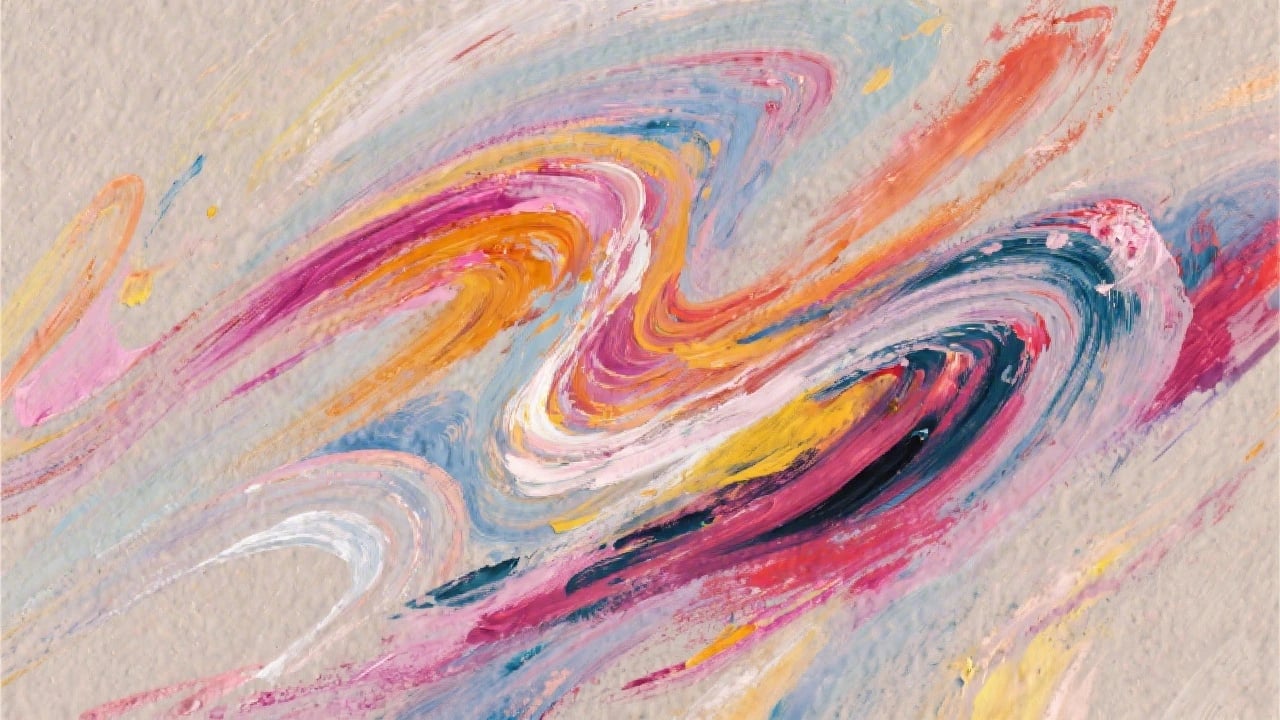
Lyrical abstraction represents a more poetic, refined approach to gestural painting, balancing spontaneity with harmony. Unlike the aggressive energy of Abstract Expressionism, lyrical abstraction tends toward softer edges, flowing forms, and more harmonious colour relationships. This style emerged in Europe and America during the 1960s and 1970s, offering an alternative to both hard-edge geometric work and intense expressionist approaches.
When identifying lyrical abstraction, look for fluid, organic shapes that seem to float or flow across the canvas. The colour palette typically features softer, more nuanced hues with subtle gradations rather than stark contrasts. Furthermore, these works often incorporate transparent layers and delicate mark-making that creates atmospheric depth. The overall effect tends toward the meditative and contemplative rather than the dramatic or confrontational.
Lyrical works frequently reference natural forms—clouds, water, landscape horizons—without depicting them directly. This creates an evocative quality that allows viewers to project their own interpretations whilst still feeling anchored by familiar visual rhythms from the natural world. The style bridges the gap between pure abstraction and suggestive imagery, making it accessible to those who appreciate both approaches. “Colourful Abstract Portrait Art Print – Stereo Imprinted” demonstrates how lyrical qualities can merge with figurative elements, creating works that hover between recognition and abstraction.
Colour Field Painting: Immersive Chromatic Experience
Colour field painting emphasises large areas of flat, solid colour intended to envelop the viewer in chromatic experience. Pioneered by artists like Mark Rothko, Helen Frankenthaler, and Barnett Newman, this style treats colour itself as the primary subject matter. When identifying colour field works, look for compositions dominated by expansive zones of colour with minimal internal variation or detail.
Unlike gestural abstraction where brushwork is visible and celebrated, colour field painting often minimises or eliminates evidence of the artist’s hand. The paint application appears smooth and even, creating an almost object-like presence. Additionally, edges between colour zones may be either sharply defined or softly blurred, but the emphasis remains on the colour relationships rather than the transition quality. These works typically lack a clear focal point, instead offering an all-over visual experience that rewards sustained contemplation.
The psychological impact of colour field painting stems from colour theory and the physiological effects of different hues. Warm colours advance whilst cool colours recede, creating spatial illusions through purely chromatic means. Moreover, the large scale of many colour field works creates an immersive environment that can alter the mood of an entire room. This makes the style particularly effective in spaces where you want to establish a strong atmospheric presence, as discussed in our exploration of colour’s transformative power.

Mixed Techniques and Contemporary Hybrids
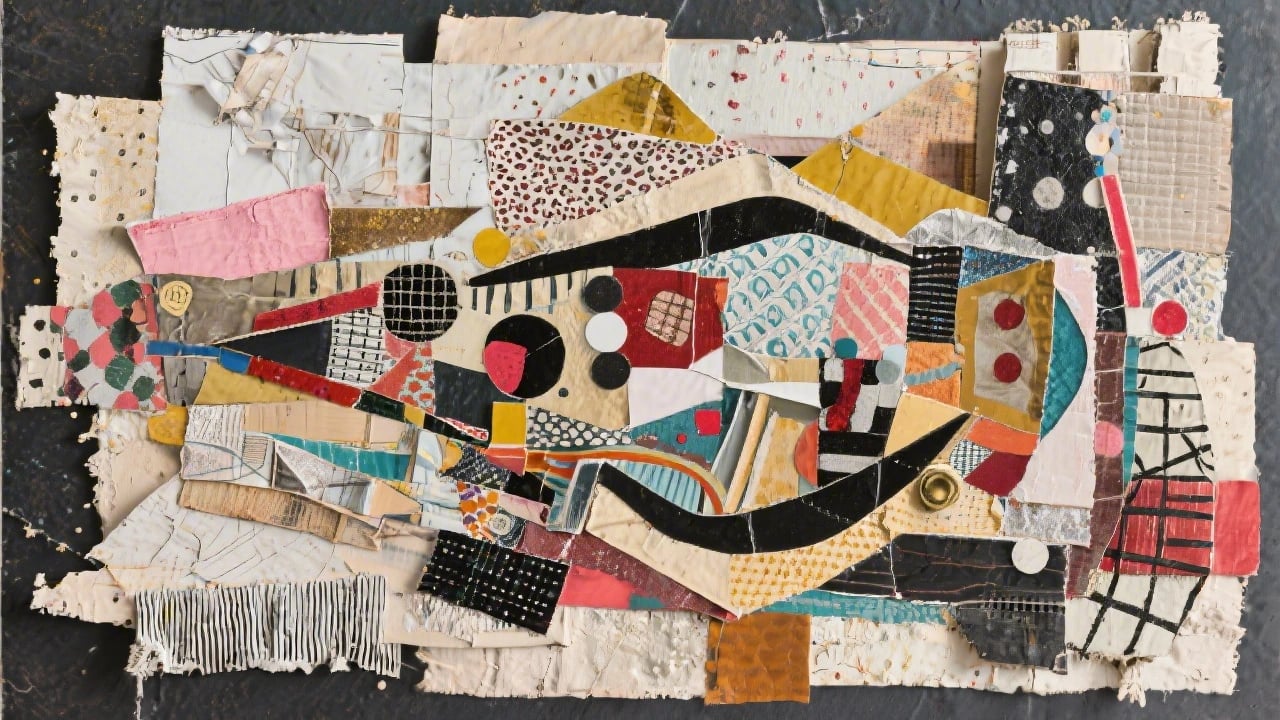
Contemporary abstract art frequently blends multiple stylistic approaches, creating hybrid works that defy simple categorisation. Artists today draw freely from geometric, gestural, minimalist, and lyrical traditions, combining techniques to achieve unique visual effects. When encountering these mixed-technique works, identify the dominant characteristics first, then note how secondary elements modify or enhance the primary approach.
Texture plays an increasingly important role in contemporary abstraction, with artists incorporating collage elements, mixed media, and varied application techniques. Some works might combine geometric precision in certain areas with gestural freedom in others, creating dynamic tension between order and spontaneity. The “Paperbark Textures – Abstract Melaleuca Nature Print” illustrates this hybrid approach, merging natural botanical textures with abstract compositional principles.
Pattern and repetition have also emerged as significant elements in contemporary practice, often referencing textile designs, digital aesthetics, or cultural motifs. These works might feature repeating modules that create overall patterns whilst maintaining abstract qualities. Furthermore, many contemporary artists reference art history explicitly, quoting or reworking earlier abstract styles whilst adding contemporary sensibilities. This self-aware approach creates layers of meaning that reward viewers familiar with abstract art’s evolution. Understanding these contemporary developments enhances appreciation of emerging trends in abstract art.
Practical Tips for Identifying Abstract Styles
Developing the ability to identify abstract styles requires systematic observation and practice. Start by examining the fundamental visual elements in any abstract work you encounter. Consider these key questions when analysing a piece:
- What shapes predominate—geometric or organic?
- How is colour applied—flat and even, or textured and varied?
- Are edges crisp or soft, defined or blurred?
- Does the composition feel planned or spontaneous?
- What emotional quality does the work convey?
- How does positive and negative space interact?
Additionally, research the historical context of abstract movements to understand their philosophical foundations. Geometric abstraction emerged from utopian ideals about universal visual language, whilst Abstract Expressionism reflected post-war existential concerns. This contextual knowledge enriches your ability to recognise not just visual characteristics but the ideas they embody. Many of these historical movements continue to influence contemporary practice, as explored in why contemporary artists embrace abstraction.
Visit galleries, museums, and curated collections regularly to expose yourself to diverse examples. Compare works side-by-side to sharpen your eye for distinguishing features. Moreover, pay attention to how different abstract styles affect you emotionally and psychologically—your visceral responses offer valuable clues about a work’s stylistic approach and expressive intent. Over time, pattern recognition becomes intuitive, allowing you to quickly identify styles and appreciate the subtle variations within each tradition.
Understanding how to identify different abstract styles transforms your relationship with art, enabling more confident selection and deeper appreciation. Whether you’re drawn to the structured harmony of geometric works, the emotional intensity of gestural pieces, or the serene simplicity of minimalism, recognising these distinctions helps you build a collection that authentically reflects your aesthetic preferences. Abstract art’s rich diversity ensures there’s a style—or combination of styles—perfectly suited to every space and sensibility. As you develop this visual literacy, you’ll find yourself responding to artwork with greater nuance, recognising technical achievement alongside emotional resonance, and making choices that truly enhance your living environment.
The journey of learning to identify abstract styles is ongoing and rewarding, opening new dimensions of appreciation with each artwork you encounter. By applying the frameworks outlined in this guide—examining shape language, colour application, compositional structure, and historical context—you’ll develop the confidence to navigate abstract art’s varied landscape. Furthermore, this knowledge empowers you to articulate your preferences, communicate effectively with galleries and artists, and ultimately curate walls that inspire and energise your daily life. The world of Australian abstract art offers particularly rich opportunities to explore these diverse styles within a distinctive cultural context.
 | Joseph Russell Joseph is an Australian abstract artists and curator of the Inomaly art collection. |